Posted on

Skincare in pregnancy – what is the evidence?


Pregnant women are wary of causing harm to their unborn babies during this vulnerable period in development. There is significant modification of lifestyle practices with huge emphasis on safer and healthier options. More than 50% of pregnant women also question their skincare regimen and seek guidance on the use of personal care products.

What are the common things that most women are most concerned about making them question use in pregnancy?
Women are concerned that certain ingredients in skincare products may be carcinogenic (causing cancer), teratogenic (harmful to the fetus) or unsuitable for their changing skin needs in pregnancy. In this article we explore the available evidence on a few commonly used ingredients to help you understand which products can be used safely when your pregnancy tests positive!

Vitamin A/ retinol
There is lots of evidence for the potential teratogenic effects of oral vitamin A and the drug commonly used for acne called isotretinoin. We do not actually know how much topically applied vitamin A is absorbed by the skin to eventually reach the circulation and the growing baby. There are however a few cases where birth defects were reported after using topical Vitamin A in pregnancy. The consensus opinion is that women should avoid products containing retinol during pregnancy, whether oral or topically applied.

Benzoyl peroxide
Benzoyl peroxide is a widely used over the counter treatment for acne. Minimal amounts are absorbed into the skin after topical application, but there have not been any reported ill effects in the babies whose mothers used topical treatment. Therefore this is one of the acne treatments considered safe for breakouts in pregnancy.

Topical antibiotics
Topical clindamycin and erythromycin are prescription antibiotics used mainly to treat acne. Studies have found both topical ingredients to be safe for use in pregnancy.

Salicylic acid
Topical salicylic acid is quite a common ingredient in acne treatments. The concentration in products as well as the amount of absorption into the blood stream varies. However it is still considered a small amount which is unlikely to cause any harm.

Glycolic acid
Glycolic acid is an alpha hydroxy acid found in many brands of resurfacing anti-ageing products. It is also used in face washes and creams to treat acne and hyperpigmentation.
There is minimal systemic absorption from topically applied glycolic acid so it does not pose a risk in pregnancy. However glycolic acid may be irritating to the skin especially in high concentrations, so first time users in pregnancy should be cautious.

Hydroquinone
Hydroquinone is a prescription skin lightening ingredient, banned as an over-the-counter product in South Africa. It may however be prescribed by doctors and dermatologists. There is a large amount of hydroquinone that is systemically absorbed after topical application. There is no conclusive evidence to suggest that hydroquinone will have an effect on your growing baby, but because of the large amount that is absorbed, it is not recommended for use in pregnancy.

Sunscreens
Sunscreens generally have very little systemic absorption and are safe to use in pregnancy.
The general consensus is that the benefits of sunscreens outweigh any unsubstantiated risk.

In summary, apart from notably hydroquinone and retinol there is no evidence to suggest that most other common topically applied skincare ingredients will cause harm to a developing baby.

Bear in mind that does not exclude the possibility of a localized cutaneous reaction (skin reaction) to the ingredients as we must take into account that pregnancy may cause a change in your skins’ condition and its ability to tolerate products.

In addition to this, skin reactions to skincare products may occur irrespective of whether you are pregnant or not.
Remember that a product recommendation or prescription given before you fell pregnant may no longer be safe or appropriate once your status changes, and its best to confirm with your doctor.

At Skinsmart we have a tailored pregnancy skin assessment to assist you with your product choice. We recognise that pregnant women would also like to look and feel their best without compromising the health of their babies.

Please email us on [email protected] to book an appointment  if you would like more specific advice.

Posted on

What to expect from your skin when you’re expecting

Physiological skin changes of pregnancy occur in virtually all pregnant women.

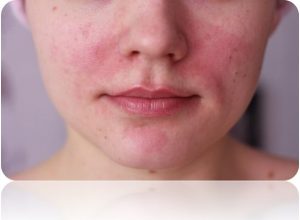
Various forms of Hyperpigmentation (increased pigmentation) occur in as many as 90% of pregnant women. Melasma also known as ‘mask of pregnancy’ is probably the most disturbing form of pigmentary alteration. Other forms of hyperpigmentation include darkening of the areola, linea nigra (vertical pigmented line than runs down the middle of the abdomen) and darkening of pre-existing moles (melanocytic naevi).

Melasma – the mask of pregnancy

Changes in the circulation also present with reddening of the palms (palmar erythema), spider veins and varicose veins. This is as a result of increased circulating oestrogen and an increase in the circulating blood volume.

Varicose veins

Hair changes during pregnancy result from higher levels of oestrogen which prolongs the growth phase of the hair, resulting in less shedding and thicker healthier looking hair. Some women also notice that hair becomes shinier during pregnancy or that it changes in texture. Another consequence of this is increased hair growth on the upper lip, chin and cheeks. Thankfully this reverts to normal after delivery. Unfortunately the hormonal alterations that occur after delivery may cause hair to transition the resting phase of the hair cycle, which can result in hair loss 6-12 months after birth of the baby. This kind of hair loss called telogem effluvium  thankfully corrects itself as the hair follicle goes back into the growth cycle.

Pregnant women may develop harder, thickened nails, while others find that their nails are softer or more brittle. These changes are temporary, and the nails should return to normal after giving birth.

Eccrine and sebaceous glands have increased activity in pregnancy, resulting in increased sweating during pregnancy and an oilier skin.

Stria gravidarum (stretch marks) are caused by changes in the connective tissue or literal ‘stretching of the skin’ in pregnancy. Many women notice stretch marks on their belly, hips, buttocks, breasts, or thighs during the later stages of pregnancy when the body is rapidly growing. How much and how quickly you gain weight when you’re pregnant may determine whether you get stretch marks. Genetics may also play a role. Most stretch marks fade to pale-or flesh-coloured lines and shrink postpartum, although they usually do not disappear completely.

Pregnancy stretch marks


What is ‘PREGNANCY GLOW’ ?

The physiological changes that occur in women during pregnancy contribute to a facial ‘pregnancy’ glow. So yes there is a scientific explanation for this: During pregnancy your body produces 50% more blood. The increase in blood flow through your body and skin causes your face to be brighter or ‘flushed’. The increase in hormones cause facial oil glands (sebaceous glands) to produce more sebum, making the the face more shiny. The combination of the flushing from the blood flow and the shine from the increased sebum create the happy ‘glow ‘ that we see on pregnant women.

Posted on

Pregnancy Skin Conditions

Pregnant women are still susceptible to everyday skin concerns that plague other women, though the treatment may need to be tailored to suit the changes of the skin and body in pregnancy and take into account the effects on the developing fetus. Here is some of our advice followed by a few product recommendations for common pregnancy concerns.

ACNE BREAKOUTS


Higher levels of hormones called androgens are at least partly responsible for pregnancy breakouts because they prompt the sebaceous glands in your skin to get bigger, and boost production of sebum. This often occurs during early pregnancy and may make the skin appear or feel oily. Acne during pregnancy may be mild, moderate or severe. It may be of new onset or an exacerbation of a pre-existing problem. It is important to remember that not all treatments and products are safe to use during pregnancy and if you were on a treatment regimen before you fell pregnant this may need to change. Consult your doctor, dermatologist or skincare professional to make sure you are on the right medication.

Product recommendations:

Neostrata Sheer Hydration-Sheer Hydration is a light, oil-free ,daily hydrator formulated with NeoGlucosamine to gently exfoliate the skin, promote cell turnover and help with minor acne problems.


Obagi NuDerm Foaming Gel – This foaming gel cleanser cleans the skin thoroughly of makeup and impurities. This product is safe to use during pregnancy.

MELASMA / CHLOASMA (PREGNANCY MASK)


Hyperpigmentation can occur for the first time during pregnancy as a result of hormonal and genetic factors, together with increased sensitivity to sun exposure The melanocytes in pregnant women are more sensitive to increased levels of melanocyte stimulating hormone(MSH), oestrogen and progesterone. Hyperpigmentation is one of the most common skin changes during pregnancy, and is also very hard to treat as options are few. It is often very distressing for pregnant women to deal with, in addition to all the other changes that come with pregnancy.
It may gradually improve or disappear after childbirth (normally 3-6 months after) but may persist in some women. There are numerous ingredients in cosmeceutical products that work synergistically to lighten and control pigmentation, but many of these are not suitable for use during pregnancy.

Product recommendations:

Heliocare 360 mineral – This innovative mineral fluid sunscreen is ideal for sensitive skin.


Neostrata Brightening cleanser
– The Neostrata Enlighten range is clinically proven to treat and control pigmentory disorders, dark spots and signs of sun damage, while also reducing the appearance of fine lines and wrinkles.
Please note that not all products in the Enlighten range are safe in pregnancy.

DRY SKIN


Dryness of the skin is a common skin complaint and may occur for the first time during pregnancy or part of an ongoing problem. The skin feels tight and uncomfortable and may appear rough and dull. Pregnant women often look for more hydrating creams during pregnancy as their regular moisturiser may not provide enough hydration.

Product recommendations:

Neostrata Bionic Face Serum – Bionic Face Serum is a concentrated oil-free serum with 10% Lactobionic Acid designed to work synergistically with other Neostrata anti-ageing products in your regimen to improve radiance, skin texture and the signs of ageing.
It provides comfort and hydration for dry skins.


Neostrata Bionic Face Cream– Bionic Face Cream is an ultra-rich, anti-ageing emollient cream which provides intense hydration and skin smoothing effects without irritation.

SENSITIVE SKIN


Some pregnant women have the impression that their skin in more sensitive than before pregnancy. This may mean different things to different people, but in general, the skin is easily inflamed and irritated and reacts to numerous cosmetic products. Sensitive skin is a common complaint among pregnant women and is most likely due to changes in hormone levels. Pre-existing skin conditions such as eczema and rosacea may improve or worsen and your regular skin care regimen may no longer be suitable.

Product recommendations:


Obagi Soothing Cleanser – This calming gel cleanser offers relief from inflammation and irritation. It effectively removes make-up and impurities without disrupting the skins natural moisture barrier.


Obagi Skin Calming Cream
– This non-irritating moisturising formulation contains plant-derived growth factors Kinetin and Zeatin. It effectively calms and soothes a sensitive and irritated skin.

Can I continue with my anti-ageing treatment during pregnancy?

A well-tailored anti-ageing skin care regimen can help slow the process of ageing. While you are pregnant you may need to change your existing regimen for one that doesn’t contain ingredients that are unsafe or have high irritation potential. In general vitamin A and its derivatives, including retinol, are not safe for use during pregnancy.
Please take our Skinsmart Skin Assessment to see our recommendations for anti-ageing skin care that is safe to use during pregnancy and while breastfeeding.

If you would like our advice on whether you can still use any of your existing creams, please email us on [email protected] or alternatively book a consultation with our medical therapist or dermatologist on 021 521 1107.


Posted on

What is Pseudofolliculitis?

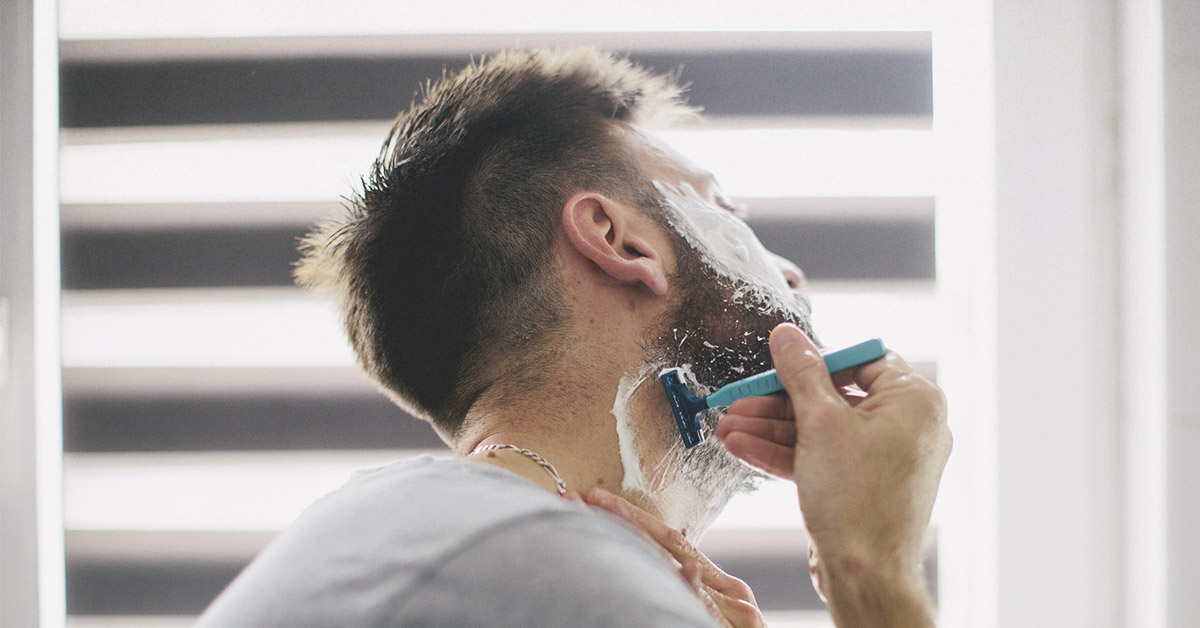
Pseudofolliculitis is a common chronic skin condition which typically affects the beard area of men who shave.
It is then referred to as pseudofolliculitis barbae or more commonly called ‘shavers rash’.
It typically occurs in men with tightly curled hair and of African descent. ‘Barbae’ refers to the beard area though pseudofolliculitis can occur in any shaved area and could even affect women and other race groups. It occurs where hair is coarse and abundant and subject to shaving, waxing or plucking
In all cases it is a cosmetically disfiguring condition which is difficult to treat and often recurrent.

How does it occur?


Paeudofolliculitis is caused when hair grows parallel to the skin surface rather than perpendicular to it such that the sharp tip of the newly cut hair curls back and pierces the skin causing trauma, inflammation and ultimately an ingrown hair.

A newly cut or plucked hair shaft may pierce the follicular wall to enter the dermis without ever leaving epidermis (upper layer of the skin) once again resulting in an ingrown hair and inflammation

While this process occurs mainly in curly hair, skin folds or scarred skin may cause the condition in straight hair.

Pseudofolliculitis barbae is essentially a chronic foreign body reaction to an ingrown hair shaft.

What does it look like?

Pseudofolliculitis barbae typically presents with firm papules and pustules in the beard area. For some reason it does not occur on the moustache area. The appearance of the disorder can be cosmetically distressing for affected patients. Postinflammatory hyperpigmentation, secondary bacterial infection, scarring, and keloid formation are potential complications.

How can you prevent it?
Use good shaving techniques.
Cleanse the skin thoroughly and wet the skin and hair before shaving. Wetting the hair softens the keratin making it easier to cut. Applying a warm wet towel for a few minutes before shaving may also be helpful.
Shaving preparations provide additional hydration and cushion the blade against the skin to minimise trauma.
Use a clean,sharp blade and shave in the direction of hair growth where possible.
This may be difficult as the hair in the beard area tends to grow in different directions.
Cleanse the skin thoroughly after shaving, as residual shaving preparation left on the skin surface may cause irritation.

How do you treat Pseudofolliculitis?

Stop shaving
The first step is to stop shaving in the area till all inflammatory lesions and ingrown hairs have cleared.
You may trim the hair to a minimum length of 0.5 cm with a scissors or electric clippers

Release ingrown hairs on a daily basis
Apply a warm water compress to the affected area for 10 min to soften the epidermis ( upper layer of the skin). Then release the ingrown hairs with a sterile needle or toothpick.

Topical corticosteroid
Apply a mild topical steroid to the area to decrease the inflammation and reduce burning and itching.

Systemic antibiotics
Some patients may need an oral antibiotic for secondary infection or for anti inflammatory effect.

Other treatments
Other treatment options include topical retinoids, alphahyroxyacids and benzoyl peroxide.
Chemical depilatory creams may be used for hair removal.
Laser hair removal is sometimes recommended for those with resistant and recurrent pseudofolliculitis.

Once the condition has resolved, adopt good shaving techniques as described above, and invest in a suitable skincare regimen as recurrence is common.

Skincare recommendations for Pseudofolliculitis.

Neostrata Foaming Glycolic wash

– This is a potent, foaming facial cleanser with glycolic acid and lactobionic acid to resurface and hydrate the skin with minimal irritation. The special formulation exfoliates and unclogs congested pores.

Obagi Clenziderm pore therapy

This liquid treatment contains salicylic acid which helps unclog pores and remove dead surface skin cells.

NeoStrata Ultra Smoothing Lotion 10 AHA


– Ultra Smoothing Lotion is an antioxidant-rich, exfoliating moisturiser. This is a lightweight formulation which is suitable for use on the face and body and may be preferred by men. The exfoliating action of alphahydroxyacids removes the surface dead skin cells and helps unclog pores.

Posted on

Skin – the difference between X and Y

Gender differences in male and female skin are influenced by the sex hormones, testosterone, estrogen and progesterone. While every man’s skin is unique, in general, male skin – on both the face and the body – is thicker, oilier and ages differently.

Here are a few differences between male and female skin.

Skin Thickness:
Skin thickness varies with the location, age and gender of the individual. Male hormones called androgens cause an increase in skin thickness. This is due to the thickness of the epidermis and dermis and the increased density of collagen. This is also the reason why men age later than women, as women have a decline in female hormones at menopause.

Texture:
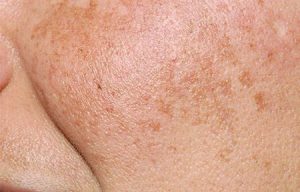
The appearance and texture of a man’s skin is rougher and coarser. The stratum corneum (uppermost layer of skin) is thicker in men and the presence of coarse hair also adds to an overall less smooth skin surface. Larger sebaceous glands and pore size contribute to a more irregular appearance and feel.
Oil (sebum)production:
Oiliness of the skin is determined by the production of sebum by sebaceous glands. The size and number of sebaceous glands are genetically determined. The sebaceous glands of male skin have more androgen receptors which causes them to produce more sebum. This is also the reason why men tend to have more severe forms of acne.

Ageing and collagen density:
Signs of ageing seem to appear later in male skin, due to the increased collagen density and increased oiliness as compared to women’s skin. Wrinkles first start to appear around the eyes and mouth. Like women, men are affected by sagging on the face, neck and under the chin as well as puffiness around the eyes.

Hydration and sweat rate:
Men tend to sweat more than women in response to increased body temperature and their sweat has a lower pH compared to female sweat. This together with the increased oiliness makes mens skin appear better hydrated than women’s, with lesser need for moisturising.

Hair:
Daily shaving traumatises the skin making it more sensitive in the shaved areas as there is repeated stripping of the top skin layer. The hair growth of men on the beard area is coarse and often grows in different directions. Shaving on the face predisposes men to Pseudofolliculitis Barbae also known as shavers rash.

How to treat male skin?
Despite the differences in male and female skin, men still need the same categories of skincare as women. Ie cleansers and toners, antioxidants, moisturisers, eye creams and sunscreens. They still need treatment for common problems like dry skin, acne, oiliness, hyperpigmentation, and of course men can suffer from sensitive skin. The number of men looking for anti-ageing and skin care support is rapidly growing. There is no real need for a man to look for a gender specific skincare range. However, they may want to steer clear of products with fragrance and colour, and those with a thicker greasier feel. In general men prefer a less complicated treatment regimen with fewer products and favour those with a lightweight feel.

Posted on

Ingredients to look for in skin brightening products

The mainstay of treatment of hyperpigmentation is topical therapy, and skincare procedures like chemical peels and dermal needling. Combining products with different modes of action gives better results.

Skin brightening or lightening ingredients target uneven skin tone, dark spots, sun spots, post inflammatory hyperpigmentation(PIH) and melasma. The results are variable from person to person and there is much ongoing research to find effective yet safe ingredients. Use of many of these products is limited by the potential for irritating the skin and in this way worsening hyperpigmentation.

The gold standard for skin lightening is hydroquinone which is only available in prescription products in South Africa. Although it is very hard to treat hyperpigmentation on the skin we look at some of the ingredients with established efficacy and list some of the skincare products available.

Kojic Acid

Kojic acid is a frequently used and well studied skin lightening agent. It is generally well tolerated in topical applications.
MOA: Kojic acid inhibits the enzyme tyrosinase decreasing the production of melanin pigment.
It is also a potent antioxidant.

Products:
Neoretin Gelcream SPF 50
This product contains Kojic acid and a sunscreen.
Neoretin booster serum
This is a lightweight, rapidly absorbed formulation containing Kojic acid and other active ingredients which inhibit melanin synthesis. Retinsphere technology increases epidermal turnover.
SkinCeuticals metacell renewal B3
Metacell Renewal B3 contains Kojic acid and other active ingredients to target the early signs of ageing and hyperpigmentation.
NeoStrata Enlighten Pigment Gel This potent formulation contains Kojic Acid, Liquorice extract, citric acid and multiple other active ingredients to target hyperpigmentation.

Liquorice Extract


Liquorice extract is a natural skin lightening alternative to hydroquinone. It contains an active ingredient called glabridin, and is suitable for sensitive or rosacea prone skin as it also decreases redness and inflammation.
MOA: Liquorice extract inhibits the enzyme tyrosinase, increases epidermal turnover and is anti-inflammatory.

Products:
Lumixyl brightening crème
This gentle skin brightening product may be used while pregnant or breastfeeding. It improves the appearance of hyperpigmentation without irritation.

Citric acid

Citric acid is an effective product for treating several skin problems including mild acne, hyperpigmentation, blocked pores, sun damage and wrinkles. Citric acid is found in chemical peels, toners and skincare products.
MOA: Citric acid increases epidermal turnover and has antioxidant effects.

Products:
Neostrata Enlighten Pigment controller
This product is specially formulated with citric acid and retinol to target hyperpigmentation and sun spots.

Arbutin

Arbutin is a glycosylated hydroquinone extract. Arbutin has been considered one of the safest and most effective skin lightening agents. Its effects are optimised when combined with other substances like Vitamin C, Liquorice, glycolic acid and Kojic acid.
MOA: Arbutin inhibits the enzyme tyrosinase,decreasing the production of melanin pigment.
The active ingredient is slowly released making it suitable for those with sensitive skin.

Products:
Obagi Nu-Derm Blend FX
This product containing Arbutin penetrates deeper as the molecules are smaller. It is able to reach the basal layer of the epidermis and inhibit tyrosinase.
Obagi Nu-derm Clear FX
This light weight serum containing Arbutin targets epidermal hyperpigmentation.

Ellagic acid

Ellagic acid is a naturally occurring antioxidant found in fruits and berries that improves hyperpigmentation. It is gentle on the skin and safe to use.
MOA: Ellagic acid inhibits the enzyme tyrosinase, decreasing the production of melanin pigment.
It is safe to use on sensitive skin.

Products:
SkinCeuticals Advanced Pigment corrector
This product is formulated with ellagic acid and salicylic acid to target areas of hyperpigmentation and promote an even skin tone.

Other ingredient recommendations which have been shown to reduce melanin production include White Mulberry Extract, niacinamide, and azeleic acid
Vitamin C is a potent antioxidant which indirectly inhibits the enzyme tyrosinase leading to decreased melanin production. The anti-inflammatory effect reduces cell injury and pigment production.
Retinoic acid has many anti-ageing skin benefits. It reduces hyperpigmentation by increasing epidermal turnover.

Note from Dr. Kesiree

The management of hyperpigmentation requires a consistent and dedicated treatment routine. The results may be slow and vary between individuals. Your regimen should include preventative as well as treatment measures. Follow up your intensive treatment phases with a good maintenance regimen to maintain results.
Seek the advice of a dermatologist to assist with integrating topical treatments and skincare procedures.

Posted on

Types of Pigmentation and treatment

Postinflammatory hyperpigmentation(PIH)


This type of hyperpigmentation occurs in all skin types but is most common in those with darker skin.

It occurs after a skin condition or skin injury that causes the skin to become inflamed with resultant damage to the melanocytes, which are the cells that produce melanin pigment. Sometimes the preceding condition is barely noticeable.
Damage to the melanocytes causes melanin to be deposited in the dermis or epidermis (upper layer of the skin). This is important as epidermal hyperpigmentation fades faster than dermal hyperpigmentation, and in fact the dermal type may be permanent.
This type of hyperpigmentation can occur at any age, and on any part of the body.

It may appear tan, various shades of brown or blue gray. A blue gray appearance points to dermal melanin and a more prolonged and difficult treatment. Sometimes a dermatologist may be able to see lesions of the preexisting condition making it easier to make a diagnosis.

Common causes of post inflammatory hyperpigmentation that I see in my practice every day are acne, eczema, insect bites and skin infections. We need to treat the underlying disorder if it is still present to prevent more PIH from developing. If left untreated PIH may take years to resolve.

Melasma


Melasma or chloasma is a common disorder of hyperpigmentation that mainly involves the face. It usually affects both sides almost symmetrically and occurs in both males and females, though commoner in females. At least 90% of patients with melasma are women.
It can affect all races but is most common in darker skins where it is also the most difficult to treat.

Nevertheless melasma is a very distressing condition as it occurs somewhat out of the blue, sometimes seemingly without any precipitating factors.
Common precipitants are sunlight and hormonal influences (OCP and pregnancy). There is a genetic predisposition as in most diseases.
It may not seem fair that some of us will never get melasma even with reckless sun behavior and others will get it even with strict sun avoidance. The hyperpigmentation of melasma is due to increased melanin production by melanocytes i.e. increased activity of the melanocytes and not an increased number in the cells.

These melanocytes are called ‘reactive’ melanocytes. They produce an excess of melanin pigment, which is transferred to the skin cells called keratinocytes. Some of this pigment also ‘falls’ into the dermis where it gives a blue gray appearance to the skin. The key enzyme in the process of melanin pigment production is called tyrosinase.

Melasma is a clinical diagnosis based on a typical presentation. We do not do any tests to confirm the diagnosis. The hyperpigmentation of melasma can be described as flat coalescing brown, gray or bluish patches with irregular edges.
There are three typical patterns of distribution.

Centrofacial involves the forehead, nose, chin and cheeks. Malar pattern involves the cheeks and nose and mandibular pattern involves the area over the jawline.
Melasma may also occur on the neck and forearms i.e. extrafacial melasma.

Melasma is a common condition, but the treatment remains difficult particularly in darker skinned individuals where the condition may often either persist or recur.
Apart from classification according to distribution on the face, melasma is also classified according to where in the skin the pigment sits. As with PIH, epidermal melasma is more likely to respond to treatment than dermal melasma.

Melasma is managed with a combination of treatment modalities. Treatment needs to target various stages in the production and clearance of the excess melanin pigment.

Treatment of hyperpigmentation

Three pronged approach.
1. Avoid factors that stimulate melanocytes and cause them to produce more melanin ie avoidance of sun exposure, meticulous use of sunscreen and protective clothing. I must stress that protecting your skin from the sun is critical to the treatment and ongoing maintenance for patients with melasma. If you are on an oral contraceptive pill, consider an alternative form of contraception.

2 . Inhibit the production of melanin by melanocytes by targeting the enzyme tyrosinase.
The gold standand treatment to inhibit tyrosinase is hydroquinone. This treatment is only available by prescription. Other options are Arbutin, Kojic Acid and ellagic acid which are gentler and less likely to cause a worsening of the hyperpigmentation when discontinued.

3. Increasing the epidermal turnover will help to shed those keratinocytes which have been loaded with melanin pigment.
Topical creams and chemical peels help to remove the pigmented epidermal skin layers. Good options for accelerating epidermal turnover include glycolic acid and lactic acid

Proceed cautiously especially with darker skin types as there is no quick fix and epidermal injury from aggressive treatments could worsen hyperpigmentation

Remember that to maintain results as long as possible you will need to continue with your maintenance products.

Posted on

What is Pigmentation?


Pigmentation is the term most often used to describe dark marks or patches on the skin-In particular the facial skin. However, strictly speaking disorders of pigmentation can be divided into conditions resulting in hypopigmentation (lightening of the skin) and those resulting in hyperpigmentation (darkening of the skin).

The best known disorders of hypopigmentation are vitiligo and albinism. Disorders of hyperpigmentation(increased pigmentation) can be widespread or localised.

Causes include genetic disease, metabolic abnormalities (thyroid, liver, renal and endocrine diseases), vitamin and nutritional deficiencies. These patients could have other symptoms or signs of the underlying problem. Certain medication may cause hyperpigmentation as an adverse drug reaction.
Melasma and and post inflammatory hyperpigmentation (PIH) are by far the commonest and most distressing forms of hyperpigmentation seen by dermatologists.

Posted on

When to start using an antioxidant?

It is advisable to start using an antioxidant as a young adult.
Topical antioxidants serums have the added benefits of stabilising melanocytes, promoting the formation of barrier lipids, and being anti-inflammatory, thus assisting with management of acne and resultant post inflammatory pigmentation (post acne marks), while providing younger skin with comfort and hydration.
Use of an antioxidant along with a good quality broad spectrum sunscreen is the perfect way to start (and continue) taking care of your skin.

It’s not too late for those who already have sun damage and a history of skin cancers. While antioxidants cannot treat skin cancers, they can help to prevent further DNA mutations and new skin cancers and improve the appearance of dry, sun damaged skin by boosting barrier lipid production and collagen repair.

Even though many products may contain antioxidants, the efficacy of an antioxidant is only as good as the stability of the product formulation as antioxidants are unstable. The products sold on Skinsmart are of the highest quality, with proven efficacy supported by scientific research. If you are not sure about which product is suitable for you , please email us and ask for advice from our skin therapist.

Posted on

What is a good topical antioxidant?

The best studied antioxidants are vitamin C and vitamin E. The potency of an antioxidant is determined by its ORAC (oxygen radical absorbance capacity) value.

Vitamin C is one of the most potent, and frequently used antioxidants. It has been extensively studied and proven to have powerful beneficial effects on the skin. Vitamin C is found in high concentrations in the skin, but this decreases with age and sun damage., hence the benefit of topically applied product. Other than being an antioxidant, Vitamin C is a cofactor in collagen production, improves wound healing and inhibits melanin synthesis, thus improving fine lines and wrinkles, targeting pigmentation and lightening dark spots.

Vitamin E otherwise known as tocopherol is another well studied skincare ingredient. Besides being a potent antioxidant, it is know for its natural moisturising and anti inflammatory properties. Unlike vitamin C which can be used alone, vitamin E is best used in combination formulations.

When in combination antioxidants work synergistically multiplying their antioxidant potential.

A few other potent topical antioxidants include green tea polyphenols, resveratrol, ferulic acid and phloretin.

The list is growing, but the limitation is adding these ingredients to skincare products so that they remain stable and effective when used.