Posted on

Spotlight on Melanoma

What is Melanoma?
Melanoma is a malignant tumour of pigment producing cells called melanocytes. These cells are found in the skin, but also in the meninges which cover the brain and spinal cord, and in the eye. Melanoma most commonly occurs on the skin. Most melanomas are brown-black in colour, but some may be red or skin-coloured. We call these amelanotic melanomas and they are difficult to spot. The incidence of melanoma has risen in the past few decades, which is alarming as it is a tumour that leads to death in young adults. It occurs mainly in white populations , but can occur in other race groups. Melanoma is always malignant and a deadly cancer

What causes Melanoma?
Melanoma develops when melanocytes are damaged in some way and become cancerous. This can occur to melanocytes in a pre existing melanocytic naevus (‘mole’) or to a random melanocyte usually in the skin.

What makes these cells turn cancerous?
The most important contributing factors are sun exposure and sunburns, especially since these are the factors that can be controlled.
Genetic factors that contribute to melanoma risk include skin type, hair and eye colour, the presence of lots of moles and certain gene mutations. Researchers are discovering more and more gene mutations that contribute to causing melanoma. This helps with developing novel treatments for melanoma.

Is there a difference between Melanoma and Skin Cancer?
Melanoma is a one type of skin cancer. It makes up a small percentage of skin cancers but is the most deadly.

Can Melanoma spread?
Yes, melanoma is an aggressive skin cancer and can spread rapidly even though it remains a small spot or nodule in the skin.
In fact sometimes a melanoma can completely disappear on the skin without ever being noticed and first present with metastasis in the body.

Can Melanoma be life threatening?
Yes. Melanoma is one of the most dangerous cancers worldwide and causes death in young people.
But early detection can lead to successful treatment!

Is Melanoma hereditary?
Melanoma can be considered hereditary in some cases as certain gene mutations occur in families. The risk factors like skin colour, eye colour, hair colour and the presence of multiple moles also runs in families.
You have a greater risk of getting a melanoma if you’ve had a close family member who has had a melanoma.

When should I worry about a mole or skin spot?
You should worry about a new ‘spot’ on the skin or an existing melanocytic naevus (‘mole’) that is changing. Most melanomas occur as a new lesion. Only around one third of melanomas develop in pre-existing moles.

Can I reduce my risk of getting Melanoma?
Yes you can with safe sun practice. Do not allow your skin to burn. Do not allow your child’s skin to burn. Stay away from tanning booths.
If you have risk factors for melanoma as discussed above make sure you examine your skin and visit your dermatologist regularly.

How do I examine myself for skin Cancer?
Be aware of changes in your existing moles or new spots that appear on your skin. Sometimes these will be noticed by friends or family who draw your attention to it.
Take a look at your back and the backs of your arms and legs in the mirror, as most people do not look here.

What are my treatment options?
The treatment options for melanoma depends on the depth of the melanoma in the skin. We call this the Breslow depth and it is the most important prognostic indicator.

The best scenario is early detection of a melanoma. Melanomas that are early or ‘thin’ can be cut out completely giving you a normal life expectancy. Beyond a certain depth treatment options are limited with limited survival. These options include surgery, chemotherapy and newer classes of drugs called immunotherapy and targeted therapy. But even though there is lots of ongoing research we still do not have drugs to guarantee long term survival.

The bottom line is, be aware of your body, look after your body and if you have a mole that has changed, or a spot on your skin that is concerning you, contact your Dermatologist immediately.

Posted on

Focus on Microneedling

 
What is microneedling?
Microneedling is a safe, minimally invasive therapeutic technique initially developed for facial rejuvenation, but now used to treat a wide range of dermatological skin conditions. It involves controlled piercing of the skin with a derma roller or more recently, automated devices with miniature fine needles. Dermal rollers are available for home use, but recently patients prefer to have their treatments done at a skin clinic with the expertise of a trained professional. Microneedling has also proven to be safe for use in all skin types, which has bolstered its popularity.

How does microneedling work?
Miniature fine needles cause superficial, controlled piercing of the skin without completely damaging the epidermis. The result is minimal bleeding and skin injury which is why it is a safe procedure with virtually no downtime from work or play.
The skin ‘injury’ leads to a wound healing cascade with the release of numerous growth factors, resulting in 2 important processes- neocollagenesis and neovascularization.
Fibroblasts lay down intracellular matrix and new collagen, elastin and blood vessels are produced. The process continues for as long as 6 months after the treatment course and the results have been confirmed with biopsies and histology of the treated skin.

What can you expect?
The skin is prepared for at least a month before treatment begins with a tailored homecare regimen, generally combining vitamin C and vitamin A to optimize the treatment results.
The process is quick and relatively painless. You will need to arrive an hour early to apply a topical anaesthetic cream to numb the skin. The skin is cleaned with an antiseptic wash before the procedure.
The treatment is generally well tolerated and post procedure there is minimal pinpoint bleeding and redness. The treated skin is then cleaned with saline, and soothed with ice packs.
There is virtually no downtime and you can expect to go back to work the next day.

Derma roller versus automated microneedling device
The home care rollers have varying angles and depth of skin penetration which could give inconsistent results. The automated devices can penetrate to a maximum of 2 mm and the depth can be adjusted to suit the area treated.

What are the uses of microneedling?
Microneedling which is also known as collagen induction therapy was initially developed for skin rejuvenation, but is proving to be effective for a range of conditions. The evidence is varying and consistent efficacy hasn’t been proven in all cases.


ANTI-AGING/ SKIN REJUVENATION
Microneedling leads to breakdown and reorganization of old collagen and production of new collagen, elastin and blood vessels. The result is decreased fine lines, wrinkles and pigment spots and an overall youthful looking skin. A minimum of 6 sessions is recommended with strict sun protection and tailored homecare combining vitamin C and vitamin A.

SCARRING
Microneedling has shown great results with the treatment of scarring from various causes, including acne scars, burn scars, surgical and traumatic scars as well as chicken pox scars. There are many clinical studies supporting the benefit of needling scars. It is safe to use in all skin types with minimal downtime. Again, a minimum of 4- 6 sessions is recommended with a good homecare routine, and maintenance after treatment.

ACNE
Microneedling in mild to moderate acne targets sebaceous glands causing them to produce less sebum. The process helps to clear sebum and keratinocyte build up that block the sebaceous glands. Needling assists with acne scar management and has been reported to minimize the appearance of pores. Microneedling is not suitable for active, severe acne.

PIGMENTATION
Microneedling has shown benefit in treating melasma and periorbital pigmentation. It enhances the penetration of topically applied skin lightening agents. For best results, it must be combined with strict sun protection and a tailored home regimen. The device can be adjusted to safely treat the eye area.

SUN DAMAGE AND ACTINIC KERATOSIS
Microneedling is beneficial in the treatment of actinic keratosis and sun damage as it can be combined with photodynamic therapy to enhance penetration of the photosensitizing cream. This improves the treatment outcomes in resistant areas.

ALOPECIA
Recently microneedling has been used to treat Alopecia Areata and Androgenetic alopecia. It can be combined with conventional treatments like topical minoxidil and topical steroids. Overall there has been some promising results.

Microneedling can be combined with various treatment modalities including chemical peels, platelet rich plasma and photodynamic therapy. It can be used to enhance penetration of topical agents during the procedure, including hyaluronic acid, vitamin C and tranexamic acid.
Combination therapy is key for best overall results and a minimum of 4-6 sessions is recommended.
Your treatment plan including homecare and maintenance is tailored for your skin condition and can be adjusted depending on your response to treatment.

Please visit our rooms or contact our medical therapist Annika for a skin consultation and treatment plan on [email protected]


Posted on

Troubleshoot Your Sunscreen

With summer in full swing, we thought this would be a great time to share some of our helpful tips for keeping your skin well protected from those damaging rays.

Seriously… there are very few reasons not to wear sunscreen, and we thought we would share the
complaints we have heard numerous times, with our recommended solutions.

1. I DON’T LIKE TO WEAR SUNSCREEN BECAUSE IT LEAVES A WHITE RESIDUE ON MY SKIN 
The “white cast” from sunscreen comes from the physical UV filters, titanium dioxide and zinc oxide.
Newer sunscreens are formulated with microfine particles of zinc oxide and titanium dioxide which don’t leave a white residue.
Some sunscreens contain smart colour adaptive particles that blend with most skin tones.

We recommend:
SkinCeuticals Sheer Physical UV Defense SPF 50 which is a broad-spectrum protective fluid with a weightless matte finish.
Or SkinCeuticals Physical Fusion UV Defense SPF 50 with translucent colour spheres to enhance your natural skin tone. It’s also water resistant for up to 40 minutes.

2. WEARING SUNSCREENS GIVE ME BREAKOUTS
Oily or cream formulation sunscreens can occlude the pores and cause acne breakouts. Go for ultrafluid sunscreens or those advertised as “non-comedogenic”.

We recommend:
La Roche Posay Anthelios XL 50+ Ultrafluid provides sun effective protection but with a soft, non-greasy light texture suitable for normal to combination skin.
Or SkinCeuticals Sheer Physical UV Defense SPF 50 offers broad spectrum sun protection with a sheer mattifying texture that is ideal for sensitive, rosacea-prone and post-procedure skins.

3. MY SKIN BECOMES SHINY WHEN I USE SUNSCREEN 
Mattifying or dry touch sunscreens contain ingredients that absorb oil on the skin surface leaving a matte finish throughout the course of the day. This is perfect for those with an oily skin or a humid environment.

We recommend:
SkinCeuticals Physical Matte UV Defense SPF 50 which offers maximum broad spectrum protection in a comfortable oil absorbing base with colour adapting tint.
Or Heliocare 360 Gel oil free contains antioxidant formula Fernblock FC and Bioshield technology in a unique oil free dry touch formulation. It protects against damage from UVA/UVB, infrared and visible light.

4. MY SKIN IS TOO SENSITIVE FOR SUNSCREEN
Sensitive or eczema-prone skin can develop irritation and itchiness with the application of sunscreen. It is mainly the chemical filters or added ingredients in the sunscreen that can cause contact allergy.
If you tend to have a sensitive skin or suffer from rosacea or eczema try mineral sunscreens which are chemical filter free.

We recommend:
Heliocare 360 Mineral. An innovative mineral fluid ideal for sensitive, acne-prone skin types, atopic dermatitis, post-procedure use and children.

5. I DON’T REAPPLY SUNSCREEN DURING THE DAY AS IT WILL MESS UP MY MAKE-UP
Solution 1
Brush on powder sunscreens are available in different shades to suit your skin.
Simply reapply over your make up as you would powder.

We recommend:
Colorescience® Sunforgettable® brushes are a unique self-dispensing powder sunscreen that make re-application simple throughout the day.
These are one of the few effective SPF products that can be applied over make-up.

Solution 2
Tinted sunscreen or sunscreen ‘make-up’ compacts.
Some sunscreens are conveniently available in different shades to blend easily with your skin tone, making them suitable to double up as make-up and easy to reapply.

We recommend:
Heliocare Gelcream which comes in brown and light shades Or Heliocare Compacts oil-free, which are also perfect to throw in your handbag.

6. I DON’T WEAR SUNSCREEN ON MY FACE BECAUSE IT MAKES MY EYES BURN
Sunscreens may run into the eyes with sweating, causing burning and irritation.
Try sunscreens with safe eye technology.

We recommend:
ISDIN Fotoprotector Fusion Water SPF 50+ is a unique high protection facial sunscreen that is quickly absorbed into the skin providing an invisible layer of silky, matte protection. Safe-Eye Technology ensures it does not sting the eyes, making it perfect for cycling, running and other sports.

7. IT’S DIFFICULT TO REAPPLY SUNSCREEN AFTER BEING IN THE WATER OR ON SWEATY SKIN 
It can be bothersome to completely dry your skin after a swim, or to properly reapply your sunscreen during sport.
Try sunscreen that can be effectively applied to damp or wet skin.

We recommend:
ISDIN Fotoprotector® Transparent Spray Wet Skin is a unique and revolutionary water-friendly sunscreen. It can be applied directly to wet or dry skin without the white emulsion effect derived from oils found in most sunscreens.

8. IT’S TOO LATE TO USE SUNSCREEN AS I ALREADY HAVE SUN DAMAGE
It is never too late to start protecting your skin! If you already have sun damage there is now a solution for you as well. New sunscreen technology includes DNA repair enzymes to help prevent and treat sun damage.

We recommend:
Heliocare 360 AK FLUID contains unique key ingredients Fernblock FC and Roxisomes  prevent to repair DNA damage caused by solar radiation.
It is an elegant oil free formulation that feels light on the skin.
Or ISDIN Eryfotona AK-NMSC with Repairsomes to prevent DNA damage caused by sun exposure

So, this season, whilst enjoying the warm summer days, there is no excuse not to take the best care of your skin and limit sun damage by using the right products – all available on www.skinsmart.co.za. Happy Holidays!

Posted on

What is Botox?


We’ve all heard that familiar hushed phrase ‘Too much Botox ‘ used to describe a cosmetic treatment gone wrong. But what does it really mean?

BOTOX is the name of the first registered brand of botulinum toxin used for cosmetic treatments. DYSPORT is another registered brand. Both these brands are used in South Africa.
Internationally there are other botulinum toxins registered for use, but the word ‘Botox‘ is often incorrectly used as a blanket term to describe all forms of aesthetic treatments.

Botox or other botulinum toxin treatments should not be confused with treatments with fillers, surgical threads and plastic surgery.
Botulinum toxin is a neurotoxin produced by a bacterium, clostridium botulinum, which causes food poisoning. Botulism is a rare and potentially fatal disease. It is fascinating that a poisonous toxin is now synthesised and used therapeutically in multiple medical disciplines across an ever increasing range of indications.

That ‘lightbulb’ moment
Botulinum toxin was first approved to treat blepharospasm and strabismus in the 1980’s. It’s ability to treat wrinkles was discovered by accident.

It began when a husband and wife team of ophthalmologists (Jean and Alastair Carruthers) noticed that patients treated with botulinum toxin had fewer wrinkles in the treated areas. They were initially met with much skepticism, but in 2002 the United States food and drug administration (FDA )approved Botox for use for frown lines, and subsequently for crows feet and forehead lines.

How does it work?
Botulinum toxin is injected into muscles causing paralysis (weakness) of these muscles resulting in a reduced ability of the muscles to contract and therefore, in terms of cosmetic indications, reduced wrinkling of the overlying skin.
It is also injected into skin to reduce excessive production of sweat by the sweat glands.
The toxin works by preventing the release of the enzyme acetylcholine at the neuromuscular junction and sympathetic and parasympathetic neurons.

The effect, in all cases is temporary.
Muscles recover after 3-4 months and are able to contract again. This means that if you have toxin injected, and you don’t like the results, you can take comfort that it will reverse in 3-4 months. The bad news is that botulinum toxin needs to be injected every 3-4 months to sustain the desired effect.
With regular injections the wrinkles or hyper-dynamic lines caused by repeated muscle movements will soften and the skin will become smoother.

Muscles that have hypertrophied (enlarged) will shrink in size with regular treatments.
Excessive sweating caused by hyper-secretion of sweat glands will reduce in the treated areas.
The effect on the sweat glands may last longer, ranging from three months to a year in varying reports.
Botulinum toxin does not treat wrinkles or creases that are not caused by the movement of muscles. This means it will not treat static lines that occur when one sleeps in the same position repeatedly, or wrinkling caused by redundant skin which forms when skin loses elasticity.

What are the uses?
In a recent Time magazine article Alexandra Sifferlin aptly referred to Botox as “The drug that’s treating everything ”
The uses of Botulinum toxins are extensive and extend beyond the uses approved by regulatory bodies like the US FDA.
We call these uses off-label uses. Remember that when the Carruthers first started using Botulinum toxin for frown lines it was also initially off label.
In South Africa Botox has been registered for use for frown lines, crows feet and underarm sweating, but in practice botulinum toxins are used for more indications, ranging from facial paralysis, muscular pain to scars, headaches and depression.
It has proven to be safe to use, especially since its effects are not permanent.
The approved indications are both cosmetic and medical and vary in different countries.

What is the process?
Botulinum toxin comes freeze dried in a small vial. It is reconstituted with saline before it is injected. The process is relatively pain free and well tolerated.

For aesthetic treatments small amounts of botulinum toxin are injected with a very fine needle at key points on the face, corresponding to the muscle anatomy.
The number of injection sites vary depending on the area treated. The amount of toxin injected depends on the size and activity of the muscles. You may need more toxin injected for stronger muscle activity.
I usually inject a conservative amount and review the patient in a week to see if more is needed.

Frown lines or glabellar lines.
These are the lines that form between both eyebrows, and often give one an angry or worried expression. They are caused by muscles called the glabellar complex.
5 to 6 points are usually injected.

Crows feet or lateral canthal lines
These lines form on the sides of the eyes and are caused by the orbicularis oculi muscles
Generally 3 injection sites per side are needed.

Forehead lines
These are horizontal lines on the forehead that form as result of contraction of the frontalis muscle.
There are a few techniques ranging from 5 injection points to multiple small injection points.

Excessive sweating of the underarms and palms
The treatment of hyperhidrosis (excessive sweating) needs large amounts of toxin compared to the cosmetic indications.
The toxin is injected at multiple, more or less equidistant sites on the affected areas.
The area to be treated can be anesthetised with a topical anesthetic or nerve block.

Bruxism is grinding or clenching of the jaws and usually occurs during sleep. It results in pain in the head and neck, teeth and temporomandibular joint (TMJ). The masseter muscles attached to the jaw increase in size. The condition can be successfully treated by injecting botulinum toxin into the masseter muscles causing them to reduce in size and decrease pain in the jaw. It also results in a slimmer narrower jawline.

Off label cosmetic uses are numerous and include injections for lateral brow lift, marionette lines, perioral lines and gummy smile. These have varying success amongst patients, and can be discussed with your doctor or dermatologist.

Make sure you have your toxin injected by a trained professional who has knowledge of the injection points and muscle anatomy to avoid poor results or a flat and expressionless face i.e. ‘overbotoxed’ results.

Some signs that indicate poor results are ‘spock eyebrows’, a lowered brow (brow ptosis) or a droopy eyelid (eyelid ptosis). These problems can sometimes occur even in the best hands, but can potentially be corrected so it is important to go for your follow up check with your treating doctor.

When performed well, aesthetic treatments can improve one’s appearance and self esteem. Remember it is the bad jobs that are noticed the most. The good jobs are difficult to see.

Please call 021 531 1107 if you have any queries or book an appointment if you would like to come in to discuss a treatment.

Posted on

The best anti ageing ingredients to use

What ingredients should you look out for in anti ageing products?
With ongoing research more and more molecules are proving beneficial.
Here we talk about a few with the best evidence.
Hydroxyacids
Glycolic acid is part of the alpha hydroxy acid group. This acid is widely used for anti ageing skincare, but can also treat hyperpigmentation, acne and rough skin texture.
How does Glycolic acid work within the skin? Glycolic acid penetrates the epidermis and help loosen the bonds that prevent dead skin cells from shedding. Glycolic acid has great exfoliating efficacy, but may also cause irritation and burning of the skin.

Retinoids
Retinoids are the gold standard anti-ageing ingredient and have been an integral part of a comprehensive anti ageing regimen for decades. Retinoids improve cell turnover and help repair damaged cells.
In this way they help to even out dark marks/hyperpigmentation and assist in treating acne lesions. Increased cell turnover improves dullness and rough texture and reduces the appearance of fine lines and wrinkles.
Retinoids also inhibit the production of collagenase thus slowing down the breakdown of collagen and promoting collagen production resulting in a firmer healthier-looking skin . With long term regular use you see renewed radiance, a remarkably smoother appearance, and a noticeable feeling of firmness.
Though retinoids are generally applied at night, remember that they do sensitise your skin to sun, so it very important to wear a sunscreen in the daytime.

Antioxidants
The use of antioxidants prevents damage from free radicals related to photo ageing and other cellular processes. Antioxidants reduce oxidative stress by neutralizing free radicals – unstable atoms that have an unpaired electron in their outermost shell. The antioxidants act by binding with the unstable electron and preventing attack on collagen, elastin and other elements of the skin’s architecture.

Stem cells
Stem cells are capable of self renewal. Their role is to replenish dying cells and regenerate damaged tissue. Studies show that topically applied stem cells activate regeneration of human stem cells, protect the cell from oxidative stress, and in this way decrease the appearance of wrinkles. Stem cells prevent premature skin ageing and assist with wound healing.
Skincare products with stem cells help reverse pre existing damage and protect against further environmental assault.

Hyaluronic acid
This complex sugar is a natural substance that is found in the skin. Hyaluronic acid acts as the skin’s natural “super-sponge” locking in moisture for a plumper, softer and more supple skin.
Hyaluronic acid has become quite a buzz word in the cosmetic industry over the past few years. The natural occurring form declines with ageing. It is therefore a key ingredient in skincare products to rejuvenate dehydrated skin and reduce the appearance of fine lines and wrinkles.

…And of course the number 1 anti ageing ingredient is sunscreen. No anti ageing regimen would be complete without optimal sun protection. Remember the best sunscreen is the one you are happy to use!

Posted on

What happens at a cellular level when we age?

– Gradual loss of elasticity:
Collagen and elastin in the dermis keep the skin supple and firm in youth.
Loss of elasticity occurs with degeneration of collagen and elastic fibres of the skin with age. Old fibres accumulate and are fragmented and disorganized. The accumulation of these old fibres inhibits the production of new collagen and elastin. Fibroblasts respond by producing more metalloproteases that further break down the existing collagen. The result is that the skin thins and starts to sag and wrinkle.

-Dehydration and moisture levels:
The ageing skin loses its ability to maintain hydration, due to a decrease in molecules that help the skin retain moisture, such as Hyaluronic Acid and glycosaminoglycans (GAGs). There is also a decline in the lipid production of the skin.
These changes can start in the early 40’s. In addition to this loss of moisture there is also a reduction in sebum production. The result is a dry and dehydrated skin which accentuates the appearance of fine lines and wrinkles.
The suppleness and plumpness of the skin also decreases with loss of moisture in the dermis.
The use of moisturisers and exfoliating ingredients can assist with restoring moisture and lipid content for a healthier appearance.

-Thinning of the skin:
The perception of most people is that the skin becomes thinner and almost papery with age with associated easy bruising. The decrease in thickness of the dermis is one cause. However there is also a thinning of the epidermis which is due to a decrease in proliferation of the epidermal cells. The epidermal thinning is accelerated in women compared to men and is due to a decrease in oestrogen levels as women age.

– Slowing of epidermal turnover rate
Declining cell turnover means that dead skin cells accumulate on the surface. The skin therefore appears dull and the texture is rough. Another consequence is that healing of wounds on the skin is slower.

-Pigmentary alterations
Darker skin types are prone to hyperpigmentation as a result of reactive melanocytes. Cumulative sun exposure over time leads to the appearance of solar lentigenes (sun spots). These factors contribute to the mottled pigmentation which occurs as a consequence of photo ageing.

-Yellowing / sebaceous hyperplasia
Sebaceous hyperplasia occurs when the sebaceous glands become enlarged and prominent. This creates shiny yellow bumps on the facial skin which are entirely benign. Degeneration of elastic tissue in ageing skin is also know as solar elastosis. If extensive, it can give a waxy yellow appearance to the affected skin.

-Poikiloderma of civatte:
Poikiloderma of Civatte is a common, benign skin condition that occurs as a result of long term sun exposure It typically affects the skin on the sides of the neck and upper chest and affects more women than men. The area under the chin is typically spared. The affected skin is red-brown with prominent hair follicles.

How can we defy time and the elements? By protecting our skin from an early age and making healthy lifestyle choices we can indeed ensure that we age well.
It’s not too late for those who have not taken the best care in the past. Anti ageing research has come a long way to provide us with strategies to reverse previous damage and promote optimal skin health.

Posted on

Ageing- The changing face of time

Ageing, or “maturing,” is a natural process that happens to all of us and in fact begins the moment we are born!
It affects all our organs including the skin. Sooner or later we start to notice this, particularly on our skin as it is the organ that we are most aware of. How we age is what makes the difference, and this depends on how you look after yourself and your skin from a very young age.
Skin ageing is a complex biological process influenced by a combination of intrinsic and extrinsic factors.

Intrinsic ageing is the type of ageing that we cannot really control. It is also known as chronological ageing and occurs as time passes. The genetic make up, cellular metabolic processes and hormonal influences of an individual determines how the passage of time will affect us. Intrinsic ageing is greatly influenced by external or extrinsic factors.

Extrinsic ageing is caused by external factors and is really the only aspect of ageing that we can control. We can do this by using the right skincare products and supplements and by modifying our behavior. Smoking, sun exposure, air pollution, poor nutrition, chemicals and toxins are examples of extrinsic factors. The biggest contributor to skin ageing is sun exposure. We call this photo ageing.

Extrinsic and instrinsic factors cause ageing but both these processes overlap particularly in the sun exposed areas and are difficult to distinguish.
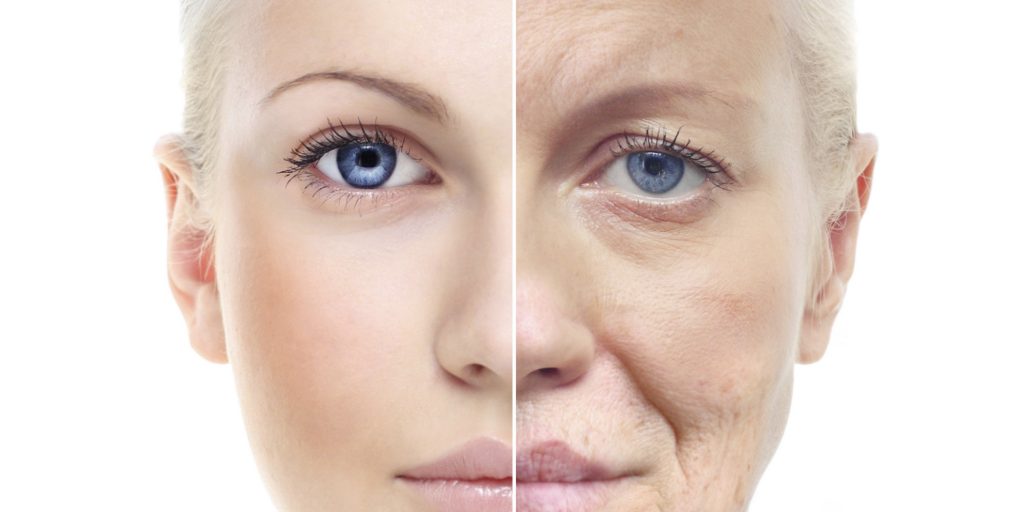
Chronologically aged skin appears thin and dry with fine wrinkles.
Photo-aged skin appears leathery and lax with coarse wrinkles, broken veins and uneven pigmentation.

So, as we age, we need to bear all of the above factors in mind when choosing the right skincare products, and change our behavior to ensure the signs of ageing are kept to a minimum.

Posted on

The impact of winter on your skin

We all experience drier, and somewhat more sensitive skin in the colder, winter months, and the solution is not as simple as ‘drinking more water’ to hydrate your skin.

There are many factors that can contribute to dull, dry, dehydrated skin , and many ways in which you can remedy the situation during winter.

Cold weather, especially cold wind, combined with increased use of indoor heating leads to an increase in transepidermal water loss (TEWL). This essentially leads to a decreased water content in the stratum corneum (uppermost layer of the skin), leading to dry, rough, scaly and sensitive skin.

The situation is worsened with long hot showers and soaps that contribute to damaging the skin barrier function, further contributing to TEWL.
Dry skin has a genetic component, and some will be more predisposed than others, though even those with ‘normal’ skin will notice some change in their skin condition.

A change in the weather or season is often known to cause flare-ups in those with pre-existing dry skin conditions, or medical conditions and medication that causes dry skin. Hypothyroidism, renal impairment and other chronic illnesses can cause skin dryness, as well as commonly used drugs like isotretinoin and lithium.

Cold air tightens the skin’s pores and reduces blood circulation. This reduces sebum production. Sebum is an oily substance which acts as a protective layer that traps moisture in the skin. With humidity in the air lower during winter, the effect is that existing skin conditions are aggravated.

Worse still is that dry skin makes fine lines and wrinkles more noticeable. All the more reason to make that extra effort to keep our skin in good condition!

Posted on

Winter Skincare tips

So we know that winter really does leave us with a compromised skin barrier, and dry and sensitive skin. How can we remedy the situation?

Here are some useful tips on how to change our skincare and winter behavior to help keep our skin hydrated and comfortable!

Cleansers : Most of us make use of the same cleanser throughout the year, no matter the season. During a harsh, dry winter season one could consider avoiding cleansers with high concentrations of sodium lauryl sulphate (soap), as well as those with high concentrations of acids, like salicylic acid and glycolic acid. While these are useful to control an oily skin type, they can strip away essential moisture, leaving the skin dehydrated and sensitive. Rather opt for a milk or gel cleanser in winter that will gently cleanse the skin of make-up and impurities, without leaving the skin dehydrated or vulnerable.

Moisturisers : Change your daily moisturiser during the colder months to one that is more nourishing, and provides a protective barrier to environmental elements. Hyaluronic acid in moisturisers is a natural moisturising ingredient that nourishes the skin while also having a plumping effect. If you enjoy your current daily moisturiser, and do not want to change, you could supplement your daily regimen by adding a hydrating or antioxidant serum underneath your moisturiser. A good tip when applying your daily moisturiser is to do so immediately after your bath / shower, when the skin is still warm and slightly damp. This will allow for better penetration.

Sunscreens : Do not stop applying your sunscreen during the winter months. Although there may be less UV exposure, due to cloud cover, you will still be exposed to UV damage, particularly UVA, which causes free-radical damage. Sunscreens containing antioxidant ingredients also protect against exposure to atmospheric and environmental aggressors, such as UVA, UVB, Infra-red, and ozone pollution, which may lead to dehydration, pigmentation and ageing.

Humidifier : Indoor fires and heaters, underfloor heating and air conditioning dries the air and worsens dry skin problems. Before you invest in bulk quantities of lotion and lip balm to rehydrate your skin, think about rehydrating the air. Use a humidifier to add moisture to the air and to prevent dryness of the skin, nose and throat.
While you will still need a good moisturiser, humid air is a great first step toward lessening dry skin issues.

Should you exfoliate?

When the skin is overly dry or dehydrated, it becomes less efficient at sloughing off dead skin cells which build up on the surface of the skin resulting in a dull, flaky appearance. Gentle exfoliation of the skin on a regular basis will help to improve the appearance of dull skin. Superficial to medium peels gently break the bonds between these dead skin cells, removing them and exposing healthier, more youthful, glowing skin. This exfoliation also allows for better penetration of hydrating ingredients into the skin.

Microneedling: This treatment technique is designed to address poor skin quality by creating a controlled injury to the skin so that it regenerates and repairs itself naturally. Microneedling is also referred to as ‘collagen induction therapy’. The principle behind microneedling is that it breaks down old collagen and stimulates certain growth factors to promote the production and deposition of new collagen and elastin.

Dr Kesiree Naidoo offers a range of non-invasive procedures including Microneedling, to book your appointment contact her practice on 021 531 1107 or via email on [email protected]

If you are not sure what product would be best for your winter skin, take our free Skin Assessment or email our medical skin therapist Annika on [email protected]

Register on Skinsmart and start banking your Smart Rewards

Register now on Skinsmart

Posted on

Essentials for winter skin

Dry, dull looking skin in winter is distressing and well as uncomfortable. If you are distressed by winter skin concerns we have good news!
Skinsmart has a variety of skincare products that will not only help to hydrate and plump up the skin but also target other concerns such as fine lines and wrinkles.

Cleansers
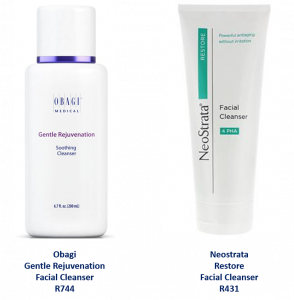
Obagi Gentle Rejuvenation Soothing Cleanser:
This calming gel cleanser offers relief from inflammation and irritation. It effectively removes makeup and impurities without disrupting the skins natural moisture barrier.

Neostrata Facial Cleanser:
Facial Cleanser is a gentle soap-free, fragrance-free formulation which effectively cleanses and exfoliates without drying or stripping the skin. This product is suitable for all skin types including sensitive skin and is gentle enough to use twice a day.

Serums:
SkinCeuticals B5 Hydrating Serum:
Hydrating B5 Gel replenishes nutrients the skin needs to create a supple, smooth textured, younger-looking skin. This oil-free moisturiser combines vitamin B5 with hyaluronic acid, the body’s natural hydrator, to help prevent moisture loss from the skin.
It can be used alone or underneath a daily moisturiser to provide extra hydration, and is ideal for all skin types.

Neostrata Skin Active Tri Therapy Serum:
This exciting new product from Neostrata is formulated with a triple anti-ageing complex to help volumize and sculpt skin, improving the appearance of deep wrinkles and skin laxity while hydrating the skin without causing sensitivity.

Obagi Professional C serum 10%:
This oil-free antioxidant serum is suitable for dry and sensitive skin types. It stimulates collagen synthesis, reduces inflammation, suppresses pigmentation and helps the skin to retain hydration. Vitamin C enhances UV protection for anti-ageing and skin cancer prevention.

Moisturisers:
SkinCeuticals Epidermal Repair:
Epidermal Repair is a barrier cream specifically formulated for application after non-ablative professional resurfacing procedures such as chemical peels, IPL and microdermabrasion. Applied immediately following these procedures, this product repairs the skin’s barrier function, soothes sensitised skin, and can also be used to treat conditions such as eczema.

SkinCeuticals Triple Lipid Restore:
Triple Lipid Restore 2:4:2 is formulated with optimal concentrations of reparative lipids to restore the skin’s barrier function, which may have become compromised due to the natural ageing process. 2% pure ceramides restore the skin’s barrier function, 4% natural cholesterol restores skin elasticity and promotes self-repair, and 2% fatty acids assist in replenishing lost lipids due to ageing. This unique lipid correction cream has been clinically proven to improve skin smoothness, laxity, pore appearance and overall radiance.

Obagi Gentle Rejuvenation Calming Cream:
This non-irritating moisturising formulation contains plant-derived growth factors Kinetin and Zeatin. It effectively calms and soothes a sensitive and irritated skin.

Eye cream
Obagi Ultra Rich Hydrating Eye Cream:
Obagi Ultra rich hydrating eye cream: This eye cream containing a blend of plant-based extracts is deeply hydrating for sensitive and dry skin.

Treatments
Neostrata Bionic Face Serum:  
Lactobionic acid reduces fine lines and wrinkles and provides excellent antioxidant benefits to the skin. The combination of Vitamins A, C and E; and Lactobionic acid provide intense moisturisation, refines pores and improves skin laxity and mottled pigmentation to restore an even-toned radiant complexion.

SkinCeuticals Phyto Corrective Mask:
Phyto Corrective is an oil-free soothing and hydrating mask for irritated and sensitive skins. It contains cucumber for its anti-inflammatory properties; thyme, which is anti-bacterial and antiseptic; and hyaluronic acid for its hydrating benefits. Often referred to as the ‘green ambulance’, it is ideal for sensitive, red and irritated skins, acne and rosacea-prone skins and as a post-sunburn treatment.

Sunscreens
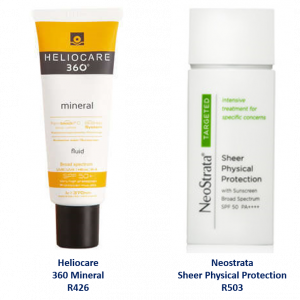
Heliocare 360 Mineral:
This mineral fluid sunscreen is ideal for those with sensitive, acne-prone skin and atopic dermatitis. It is safe for use in children.

Neostrata Sheer Physical Protection
Neostrata Sheer Physical Protection is a lightweight, translucent fluid providing broad spectrum UVA and UVB sun protection, while its sheer tint and texture provide a mattifying finish that blends beautifully with the natural skin tone. It is formulated with physical filters, titanium dioxide and zinc oxide, along with potent antioxidants, green tea extract, Lactobionic Acid and Vitamin E, to neutralise free-radicals and preserve healthy DNA.

If you are still not sure what product would be best for your winter skin, ask your Dermatologist or email our medical skin therapist Annika on [email protected]

Register on Skinsmart and start banking your Smart Rewards

Register now on Skinsmart