Posted on

Pregnancy and your skin

Pregnancy and your skin

Congratulations you are pregnant and while you’re expecting a beautiful glowing skin that we’ve come to associate with pregnant women, there may be a few unexpected surprises leaving you less than happy! To begin with pregnancy can affect not just your skin, but your hair and nails too.

Most body changes observed in pregnancy are regarded as physiological or normal and result from hormonal, vascular, metabolic and immmunologic alterations which are necessary to sustain a healthy baby.

Not all changes are bad and the good news is that most of these physical changes regress in the first six months after delivery anyway.

Some women experience healthier and better looking skin in pregnancy. The ‘pregnancy glow’ results from a combination of 50% more circulating blood volume giving you a brighter or flushed appearance, and a hormonally driven increase in sebum production making the skin more shiny.

Other common vascular changes are reddening of the palms (palmar erythema), spider veins and varicose veins. Most of these changes can be attributed to the effects of oestrogen and an increase in the circulating blood volume.

Stria gravidarum (stretch marks) are caused by changes in the connective tissue or literal ‘stretching of the skin’ in pregnancy. Stretch marks usually develop on the belly, hips, buttocks, breasts, or thighs during the later stages of pregnancy when the body is rapidly growing. Most stretch marks fade to pale or flesh-coloured lines and shrink after delivery, although they usually do not disappear completely.

Higher levels of oestrogen prolong the growth phase of the hair, resulting in less shedding and thicker, healthier looking hair especially in the third trimester. Unfortunately the hair may quickly go into the resting phase after delivery leading to a depressing loss of hair within the first 6-12 months after delivery. This condition is known as telogen effluvium and thankfully full regrowth is the norm.
Some may experience increased hair growth or hirsutism on the upper lip, chin and cheeks which luckily usually abates after delivery.

Pregnant women may develop harder, thickened nails, while others find that their nails are softer or more brittle. These changes are temporary, and the nails should return to normal.

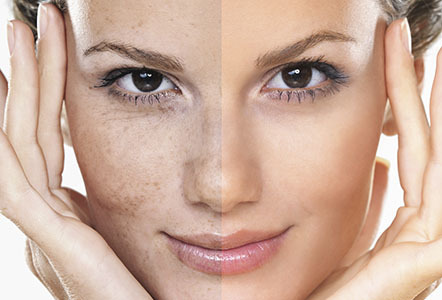
Melasma also known as ‘mask of pregnancy’ is probably the most disturbing form of hyperpigmentation in pregnancy affecting as many as 90% of women. Other forms of hyperpigmentation include darkening of the areola, linea nigra (vertical pigmented line than runs down the middle of the abdomen) and darkening of pre-existing moles (melanocytic naevi). Hyperpigmentation is thought to be related to increased oestrogen, progesterone and melanocyte stimulating hormone. Fortunately the hyperpigmentation of pregnancy regresses in most cases. There are numerous treatments for Melasma but many of these are not suitable in pregnancy.

Eccrine glands activity increases in pregnancy with increased sweating making pregnant women heat intolerant and contributing to discomfort in the third trimester.
Increased androgens boost sebum production with a resultant oilier skin. Fortunately an oilier skin does not always mean acne. Acne breakouts usually occur during early pregnancy. Remember that not all treatments and products are safe to use during pregnancy and its important to check if your pre-pregnancy treatments are still suitable.

Besides these physiological or normal changes in pregnancy, pregnant women are also susceptible to common skin diseases or skin concerns.
Dry or sensitive skin may occur for the first time during pregnancy or be part of an ongoing problem.
Pre-existing skin conditions such as eczema, psoriasis and rosacea may improve or worsen.

While you are pregnant you may need to change your existing skincare regimen for one that doesn’t contain ingredients that are unsafe or have high irritation potential. In general vitamin A and its derivatives, including retinol, are not safe for use.
If you would like our advice on whether you can still use any of your existing creams, please email us or alternatively book an appointment with our medical therapist or dermatologist.

Posted on

Peptides for skin

If you haven’t heard about the use of peptides in skin care products, we’re going to tell you what you’ve been missing. Peptides have come a long way and the new research about how they benefit skin is remarkable. Some of the information out there is overblown, but other aspects of peptides for skin deserve your attention.

Recently interest has increased about the functions of peptides in the skin and new research has uncovered how peptides can be used to slow or improve the visible signs of ageing. The cosmeceutical industry has focused on replicating these peptides and adding them to skincare formulations.

There are still many new peptides under investigation to asses their value as skincare ingredients, although the ability to add peptides to skincare to provide a measurable benefit is still a challenge.
Some problems faced are the sizes of the peptides which prohibit entry through the skin barrier, and their stability in skincare formulas.

What are peptides?

Peptides are short chains of amino acids which are the building blocks of proteins.
A chain of less than 100 amino acids is called a peptide while a longer chain is called a protein.

Peptides are a very broad category encompassing a whole variety of structural and functional components that occur naturally in the body.
The most important function is probably as biological messengers, we call these bioactive peptides. Well known examples include insulin, a polypetide regulating blood sugar levels, and oxytocin which regulates childbirth and breastfeeding. There are many more peptides that help with communication between cells or ‘cell signaling’ to regulate vital body functions like wound healing, collagen and elastin synthesis, blood vessel production, immune function and pigment production. As skin ages there’s a decline in the quantity of peptides.

How do peptides work in the skin?
Peptides are responsible for ‘signaling’ or communication in the skin.
There are different categories of peptides with different functions. Some of these functions overlap and skin creams with peptides usually contain a mixture of different peptides.

Signal peptides are also known as matricins or collagen stimulators and are important for wound healing. But some are also antioxidant, anti inflammatory and pigment regulating.

Signal peptides slow the ageing process by stimulating the proliferation of fibroblasts leading to increased production of collagen and elastin in the skin. They also inhibit the breakdown of collagen and elastin.
Clinical studies have shown that signal peptides improve the appearance of wrinkles and uneven texture, increase the skin’s elasticity and improve hyperpigmentation.

Neurotransmitter inhibitor peptides prevent the movement of facial muscles reducing the wrinkling on the skin. This is similar to the effect of botulinum toxin (Botox). This group of peptides is still under investigation.

Carrier Peptides in the skin transport trace elements like copper and manganese which are important for wound healing and collagen synthesis.
Copper Tripeptide is the most most well known and best studied carrier peptide which also functions as a signal peptide. Copper Tripeptide is a versatile ingredient in skincare as it has antioxidant and anti inflammatory benefits. It aids in regeneration of new skin and improvement in wrinkles and skin moisture.

Individual peptides don’t function well on their own so they are added to skincare creams together with other peptides and various other active ingredients for optimal benefit.

As with any kind of skincare product, not everything is created equally, and it’s important be informed and aware of the different types of peptides so that they’ll prove most useful for your end game: vibrant, radiant, and healthy skin.

To find your perfect peptide product take our online skincare assessment here

Posted on

Vitamin C – The Difference

There is an overwhelming amount of new vitamin C containing skincare products on the market, with marketing campaigns and social media urging one to use vitamin C in their skincare regimen. But what exactly does vitamin C do for the skin, and why is it important to invest in the right product?

Vitamin C is present in virtually all tissues in the human body and normal skin contains high levels of it.
Humans are unable to make Vitamin C so we need to get it from food. It is absorbed into the skin from blood vessels in the dermis with the help of sodium-dependent transport channels.

Vitamin C is a potent antioxidant which can be supplemented orally or applied topically as an anti-ageing ingredient in skincare.
Though oral Vitamin C has numerous benefits to the body, we are unsure of how much eventually filters through to the skin.
We do know however that supplementation whether oral or topical does increase the concentration in tissues with measurable benefits.

What are the benefits of vitamin C in the skin?

-Vitamin C as an antioxidant-
Vitamin C is a potent antioxidant that works by neutralising reactive oxygen species (ROS).
ROS formed by sun exposure and cellular processes causes damage to cellular DNA, cell membranes and collagen. The result is ageing skin and skin cancers.
Sunscreens are unable to fully protect against ultraviolet light (UVA, UVB) reaching the skin.
Comprehensive sun protection requires a topical antioxidant as well as a sunscreen.
In addition, recent evidence suggests that sunscreen is unable to protect against newly discovered environmental aggressors like infrared and pollution that contribute to declining skin health.

Vitamin C is able to bridge this gap in skin vulnerability.
Clinical studies have shown that sun exposure and smoking depletes vitamin C in the skin, while regular topical application can lead to a replenished skin reservoir.
Overall topical application of vitamin C will help treat and prevent the changes associated with skin ageing and skin cancer.

-Vitamin C in collagen synthesis –
Vitamin C is a co-factor in collagen synthesis, so it is vital for collagen formation. It also works by increasing the gene expression for collagen synthesis and reducing the breakdown with a resultant overall increase in the amount of collagen formed. In this way vitamin C plumps up the dermis to increase the thickness of ageing skin.
Studies have shown that topical application of Vitamin C increases collagen production in young skin as well as photo damaged skin meaning that the benefits can be seen from an early age.

-Vitamin C and hyperpigmentation-
Vitamin C inhibits the enzyme tyrosinase decreasing melanin production.
It stabilises melanocytes which react in particular to sunlight. The overall effect is reduced pigment production and improvement in uneven skin tone. Vitamin C can therefore be used in the prevention and treatment of disorders of hyperpigmentation including melasma and post inflammatory hyperpigmentation(PIH). It is used in combination with other skin lightening agents.

-Vitamin C as an anti inflammatory-
Vitamin C inhibits pro inflammatory cytokines interrupting the inflammatory cascade. It can be topically applied to reduce inflammation in skin conditions like acne and rosacea.
In rosacea it calms down inflamed skin and reduce redness.
In acne, the suppressive effect of Vitamin C on melanocytes and inflammation prevents the development of post inflammatory hyperpigmentation (PIH).

-Vitamin C in wound healing-
Vitamin C promotes the migration and proliferation of fibroblasts to areas of skin injury. In this way it promotes new collagen formation and aids in wound healing.

-Vitamin C for dry skin-
Topical application of Vitamin C is reported to improve the appearance and feel of rough, dry skin. Studies have shown that Vitamin C promotes the formation of the lipids in the upper layer of the skin. This helps to maintain the integrity of the skin barrier locking in moisture and alleviating dryness.

So we know the benefits of Vitamin C, but how do we get it to the skin?
A variety of Vitamin C preparations are available. Not all are equal and it is important to look for a reputable brand.
The challenge is getting topically applied vitamin C into the dermis where it can have optimal benefit.
L-Ascorbic acid is the biologically active and best studied form of Vitamin C and generally the form you should look for in skincare products.
There are other forms with varying clinical benefits.

L- Ascorbic acid is hydrophilic, which is why absorption through the skin surface which has lipophilic properties is not easy.
However studies have shown that L-Ascorbic acid in the right formulation with a pH lower than 4, can effectively penetrate into the skin. The optimum concentration is between 10-20%. Lower concentrations are suitable for sensitive skin types while higher than 20 % can be irritating to the skin.

L-Ascorbic acid is unstable, especially when exposed to light and heat, so it should be in an opaque or amber bottle and stored in a cool, dark place.
Lots of effort has gone into keeping Vitamin C in stable formulations so that it is still active when applied to the skin. When vitamin C has oxidized it becomes brown in colour.

Vitamin C is often combined with other antioxidants like Vitamin E and Ferulic. Combination formulations have a synergistic effect multiplying the antioxidant and photo-protective benefits and in some cases improving stability.

Vitamin C is safe to use with multiple clinical benefits to ensure a healthy and younger looking skin. At Skinsmart we stock a range of products that offer the benefits of Vitamin C – contact us to assist you in finding the Vitamin C formulation best suited to your skin type and skin concern.

Posted on

Meet the ladies behind Skinsmart

August is women’s month, a month for Celebrating, Connecting, and Supporting, Women.
We have seen significant growth in women owned business’ in South Africa throughout the years, across a range of sectors and industries, and we hope to see this go from strength to strength.

We have seen significant growth in women owned business’ in South Africa throughout the years, across a range of sectors and industries, and we hope to see this go from strength to strength.

We ourselves, are very proud to be able to say that Skinsmart – www.skinsmart.co.za –  is a completely women-owned and run business, with Dermatologist Dr. Kesiree Naidoo at the helm.

Kesiree has followed her path to Dermatology by completing her medical degree at Nelson R Mandela School of Medicine, University of Natal in 1999.
Dr Naidoo worked in hospitals in England and Canada before returning to South Africa to specialise in Dermatology at the University of Stellenbosch and Tygerberg Hospital.
She started private practice as a dermatologist in 2008 at Canal Walk Medical Centre and Vincent Pallotti Hospital, and currently practices solely at Vincent Pallotti Hospital in Cape Town.

Wanting to take her Dermatology practice to the next level, Kesiree then founded Skinsmart, her online specialist skincare site, where clients and patients can purchase dermatologist strength, high-end skincare across premium brands, delivered anywhere in South Africa. With Skinsmart being the only fully female-run online skincare store, Dr. Kesiree is pioneering the way for women in online dermatology.

As we know, every good woman in business needs a Class-A sidekick…..enter  Chikara Jacobs. Originally from Johannesburg, Chikara studied Somatology at Camelot International in Houghton and has been living in Cape Town for the last 5 years. She has also obtained various qualifications in paramedical skincare and is currently our specialist skincare therapist at the practice and our online advisor for Skinsmart. Chikara also lovingly looks after our online community, as well as social media and online marketing.

These ladies make an exceptional team and are the driving force behind the success of both the dermatology practice and Skinsmart.

But nothing happens on the forefront without support behind the scenes!
Meet our beloved Adiela Van Der Schyff who is our support office, admin guru and general backbone to the business having been part of Dr. Kesiree’s practice for a number of years and part of the Skinsmart family from its inception. There is no problem Adiela can’t solve, and no aspect of the business she doesn’t know both inside and out.

Together these ladies are a force to be reckoned with and are proud Women In Business in South Africa.

Posted on

The Magic of Retinol


What is Retinol?

Retinol or Vitamin A belongs to the larger ‘class’ of retinoids. Retinoids have long been considered the gold standard of anti ageing skincare and as such should be a part of any anti ageing skincare regimen. Retinol applied to the skin is converted to retinoic acid (tretinoin) in skin cells which is the active form. There are various other forms of retinoids including retinaldehyde and retinyl esters. Retinol is vital to cellular processes but is depleted with age and sun exposure.

Retinoids can be divided into therapeutic retinoids which are prescription, and cosmeceutical retinoids.

The most well known prescription retinoids are:

-Tretinoin (Retin-A, Retacnyl, Ilotycin-A )
-Adapalene (Differin gel, Dapta gel)
-Isotretinoin (Roacutane, Oratane, Acnetane, Acnetret)

Skincare products contain cosmeceutical retinoids in the form of retinol, retinaldehyde and retinyl esters.
A few studies have shown that regular long term use of an adequate concentration of retinol in skincare offers the same benefits as topical prescription tretinoin but with less irritation.

What does Retinol do?

Retinol regulates the differentiation and proliferation of cells.
In skin cells retinol is converted to retinoic acid which binds to DNA receptors, correcting cell defects and promoting cell turnover. The quicker shedding of dead surface skin cells leads to overall brightening of a dull complexion, and aids in the treatment of acne as the follicles are unblocked.
Retinoids increase the expression of p53 in skin cells which prevents the formation of skin cancer.
Retinoids are anti-ageing as they increase the thickness of the epidermis and promote collagen production in the dermis thus reducing fine lines and wrinkles and repairing sun damage.
Retinoids also treat hyperpigmentation by increasing the turnover of the epidermis. They are usually combined with ingredients that inhibit the production of melanin.

At what age should I start using retinol?

Prescription tretinoin is used in teenage patients for the treatment of acne. Retinoids are used to treat psoriasis, scarring and hyperpigmentation. It is therefore safe to use retinol for anti-aging even in your 20’s especially if you have sun damage. Remember to stop using retinoids once you start planning to fall pregnant.

Does retinol make your skin sun-sensitive?

Yes they do, but retinoids mop up free radicals giving them antioxidant properties. They prevent and reverse sun damage and repair DNA to prevent skin cancer.

As mentioned retinol is depleted by sun exposure, so if you do have frequent sun exposure you should in fact use a retinoid on the skin.
However because of the irritant potential of retinoids, they are usually recommended for night time use and it is essential to use a sunscreen during the day.

Are there different strengths of retinoids?

Retinoic acid (tretinoin) is the most potent form, followed by retinaldehyde, retinol and the weakest, retinyl esters. The most commonly found form in cosmeceutical skin care is retinol. The concentration is important to ensure good results. Adapalene is a third generation retinoid with minimal potential to irritate the skin. You will have to wait 3-6 months to see the benefits of retinol on the skin, so be patient as the results may be worth the wait.

What’s the difference between retinols and retinoids?

Essentially, retinol is just a specific type of retinoid. With Retinoids being the ‘class’ or group of Vitamin A

Can you use retinol on acne-prone skin?

Yes. Retinoids in the form of tretinoin was actually first used to treat acne. It was then noticed that the older patients had improvement in skin texture, skin thickness and pigment marks. Topical tretinoin, and adapalene are first line treatment in the acne treatment guidelines. Retinoids help shed dead surface skin cells, unblocking the follicle. They are also antibacterial and decrease the amount of propionibacterium acnes on the skin.
Oral isotretinoin is the best treatment for severe acne as it is the only retinoid known to shrink sebaceous glands.

Can I use retinol while pregnant?
No
The oral retinoid ( Isotretinoin ) is teratogenic (an agent that can disturb the development of the embryo or fetus).
So pregnant women should avoid retinol and derivatives while pregnant, breastfeeding or planning a pregnancy.


As with any other skin care product, the key to seeing results is consistency. Improvements in textural changes take about two to four months to start to become visible. With continued use, you’ll see more and more positive changes that come with the magic of retinol.

Posted on

Winter Skin Rescue

The skin is the largest organ in the human body, with an important role to play in thermoregulation, keeping out harmful organisms and maintaining a barrier between the internal body and the outside environment.

When the skin is dry it’s ability to do this is compromised.
Some of us are predisposed to a ‘dry‘ skin type i.e. those with eczema, certain genetic skin conditions and some chronic systemic diseases like diabetes and renal disease.

However, ‘Dry skin’ will affect us all to some extent as we age and with changes in external factors like the weather!
In winter the air is colder, drier and the use of air conditioning further exacerbates the ‘dryness’ of the air. Dry air sucks up more water from our skin particularly if the skin barrier is compromised.

Is there a difference between dry and dehydrated skin?
A dry skin is lacking in ‘lipid content’ resulting in a deficient skin barrier. The integrity of the skin barrier is maintained by lipids like ceramides, fatty acids and cholesterol as well as natural moisturizing factors (NMF). In addition, sebaceous glands produce sebum which forms a protective seal over the surface of the skin. A problem with any one of these systems can lead to dry skin.

Dehydrated means reduced ‘water content’ and this occurs when a damaged skin barrier allows water to escape from the skin. We call this transepidermal water loss or TEWL. Dehydration needs to be treated by retaining water in the skin and preventing further loss.

We can conclude from this that a dry skin, with poor barrier function, will certainly lead to dehydration.

Clinically dry and dehydrated skin may look and feel like the same thing. Most commonly affected areas are the shins, flanks, back and exposed areas of the face and neck. The skin has a rough, flaky or scaly feel and is itchy or sensitive. When left untreated the skin can become inflamed, weeping and possibly infected. Dry skin on the face can give one a dull complexion and make the skin look wrinkled and aged.

The best scenario would be to try to avoid the problem entirely by moisturising the skin.
Moisturise! Moisturise! Moisturise! is a mantra Dermatologists preach to eczema sufferers or anyone that is predisposed to dry skin. Moisturisers as a whole are the most commonly prescribed products by dermatologists. Certainly we should all adopt this habit in winter.

Moisturisers work by repairing and supporting the function of the skin barrier in retaining water in the skin and preventing water loss. They don’t add water to the skin.

Traditionally there are 3 different types of moisturisers.
Humectants work by drawing water to the stratum corneum (outer-most layer of the skin). They are hygroscopic molecules. Examples of these are glycerin, alpha hydroxyacids and urea.

Occlusives work by creating a barrier on the surface of the skin so water can’t evaporate. Examples are lanolin, petrolatum, dimethicone, silicone and zinc oxide.

Emollients contain molecules that fill up the gaps in the stratum corneum. Emollients give skin a soft, supple feel. Examples are squalene, fatty acids, cholesterol, and hyaluronic acid.

In reality,moisturisers have evolved to have a combination of ingredients that perform more that one function. New age moisturisers contain natural moisturising factors (NMF) like glucosamine, and peptides and other novel ingredients.
The fact that the cause for dryness varies among individuals, accounts for why certain moisturisers work better in some rather than others. Finding the perfect moisturiser for your skin is sometimes a matter of trial and error. A dermatologist or therapist can advise you.
Also as the state of our skin changes, we should be aware of the need to change our moisturiser appropriately as needed.


This is of course why we have such a huge variety!

Posted on

The light side of pigmentation

Hyperpigmentation is the darkening of areas of skin compared to the surrounding skin colour leading to uneven skin tone or large darker patches. It occurs when melanocytes are stimulated to produce increased pigment called melanin. Melanocytes can be stimulated by sunlight, hormones, trauma, inflammation, medication and a constantly growing list of other factors. It was recently discovered that vascularisation (increase in blood vessels) also has a role to play in melanocyte stimulation and hyperpigmentation.

Hyperpigmentation is a common and intensely distressing condition. The commonest forms seen are melasma, solar lentigenes (sun spots) and post inflammatory hyperpigmentation (PIH).

What causes hyperpigmentation? – new evidence!

Melasma and sunspots mostly occur on sun exposed areas, particularly the face, while PIH can occur in any area of skin trauma or skin conditions like acne, eczema or insect bites.

All forms of hyperpigmentation worsen with sun exposure. It is well established as the greatest contributor, with the condition worsening during summer and improving in winter when ultraviolet exposure is less intense.

Melasma is also strongly influenced by genetic and hormonal factors and is often precipitated by pregnancy or the use of the contraceptive pill.

The influence of other environmental factors is only recently being examined, and other causative factors have now come to our attention as contributing to skin ageing and hyperpigmentation.

The solar energy spectrum is composed of ultraviolet radiation (A, B and C), visible light and infrared. The visible light spectrum is the light that we see. It has longer wavelengths than ultraviolet A and B and therefore actually have a deeper penetration into the skin, though they have never been regarded as potentially harmful.

Recent studies have found that visible light stimulates melanocytes to produce pigment. This is especially significant in darker skinned individuals and it seems that repeated long term exposure to visible light may cause hyperpigmentation. In addition, visible light may also cause inflammation and induce reactive oxygen species causing DNA damage, though it has not yet been established as a cause of skin cancer.

Important to note that most traditional sunscreens do not adequately protect against visible light. Fe oxide in sunscreens and antioxidants offer protection from visible light.

Infrared or heat represents the longest wavelength of solar energy and hence penetrates even further than visible light. IR activates matrix metalloproteinase and causes the breakdown of collagen causing skin ageing. Infrared also causes hyperpigmentation by inducing inflammation and vascularization (production of blood vessels). There is currently no effective way of protecting against infrared and only topical antioxidants have shown to offer some protection.

Traffic related air pollutants including a harmful form of ozone called tropospheric ozone and polycyclic aromatic hydrocarbons cause the formation of free radicals which depletes our skins antioxidant reserve. This leaves the skin vulnerable to further insult including DNA mutations and melanocyte stimulation.

Treatment for hyperpigmentation

Hyperpigmentation is treated with a combination of topically applied creams, and skincare procedures like chemical peels and dermal needling.

A complete treatment regimen should:

  • Protect against factors that cause melanocyte stimulation
  • Inhibit the production of melanin by inhibiting the enzyme tyrosinase
  • Improve the turnover of cells that have accumulated pigment

Maintenance treatment is critical to ensure that results are lasting as hyperpigmentation should be seen as a chronic condition that requires constant management.

The gold standard skin lightening agent is hydroquinone which has come under scrutiny as it was used to lighten skin generally, not just for treating hyperpigmentation.

Hydroquinone works by inhibiting the enzyme tyrosinase. This medication can be prescribed where appropriate by a dermatologist in various combinations and works well when used responsibly.

Kojic acid is an effective and well studied skin lightening agent. It is an ingredient in numerous creams and generally well tolerated

Neoretin Booster Serum is a lightweight serum containing Kojic Acid and other active ingredients which inhibit melanin synthesis.

SkinCeuticals Metacell Renewal contains Kojic Acid and other active ingredients to target the early signs of ageing and hyperpigmentation.

NeoStrata Enlighten Pigment Gel contains Kojic Acid, Liquorice extract, citric acid and multiple other active ingredients to target hyperpigmentation.

Arbutin is a glycosylated hydroquinone extract and has been considered one of the safest and most effective skin lightening agents. Its effects may also be optimised when combined with other substances like vitamin c, liquorice, glycolic acid and kojic acid.

Arbutin inhibits the enzyme tyrosinase decreasing the production of melanin pigment.

The active ingredient is slowly released making it suitable for those with sensitive skin.

Obagi Nu-Derm System

The Nuderm system combines Arbutin and exfoliating ingredients to inhibit melanin production and remove cells containing pigment. Arbutin is a smaller molecule that penetrates deeper into the skin reaching the basal layer of the epidermis and inhibiting the enzyme tyrosinase.

Obagi C Clarifying Serum combines 10% Vitamin C and Arbutin to protect against sunlight and environmental aggressors and inhibit production of melanin. This product targets early ageing and hyperpigmentation.

Vitamin C is a potent antioxidant which indirectly inhibits the enzyme tyrosinase leading to decreased melanin production

The anti inflammatory effect reduces cell injury and pigment production.

SkinCeuticals CE Ferulic and SkinCeuticals Phloretin CF are patented combination antioxidant formulations. Vitamin C is combined with other antioxidants for a potent synergistic effect that protects against ultraviolet light and visible light and offers some protection against infrared (IR) and air pollutants.

Obagi Professional C serum 10%, 15% and 20%.

The Obagi Professional C range contains different concentrations of Vitamin C to suit different skin sensitivities.

Ellagic acid

Is a natural phenol antioxidant that inhibits the transfer of melanin to skin cells.

SkinCeuticals Advanced Pigment Corrector contains ellagic acid, niacinamide , vitamin and salacylic acid. It lightens dark spots by gentle exfoliation and prevents the formation of new pigment spots.

Tranexamic acid reduces pigmentation by its effect on the plasminogen activator pathway.

SkinCeuticals Discoloration Defense

Combines tranexamic acid (inhibits the UV induced production of melanin by melanocytes), Kojic acid , niacinamide and HEPES which work synergistically to inhibit melanin production and remove epidermal cells containing pigment.

———————————————-

Note from Dr. Kesiree

HYPERPIGMENTATION should be regarded as a chronic condition that needs to be constantly managed. Be consistent with your treatment regimen. Treatment protocols generally combine intense phases of prescription treatment and procedures with maintenance regimens.

No treatment regimen for hyperpigmentation would be complete without strict daily sunscreen use.

Book an appointment with your dermatologist or skincare professional for advice on how best to treat your hyperpigmentation

Posted on

Living with Rosacea

What is Rosacea?

Rosacea is a skin condition characterised by redness and flushing of the skin of the face, affecting mainly the cheeks and nose.
People who have Rosacea complain of a red complexion with dilated, broken blood vessels (telangiectasias), but sometimes have papules and pustules that can be mistaken for acne.

One less common form leads to an enlarged, red nose with thickened skin, large sebaceous glands and large pores. This form is called Phymatous Rosacea and occurs mainly in men, who are often wrongly thought to be alcoholics.

Ocular Rosacea presents with redness and irritation of the eyes.

Rosacea is common in fair skinned individuals but can occur in skin of any colour. Patients with Roscaea also complain that their skin is dry and ‘sensitive’, and ‘stings’ on application of skincare products.
For this reason there are numerous ranges of skincare that cater for those with Rosacea.

What causes Rosacea?

The cause of Rosacea is mainly unknown, there are however genetic and environmental influences and people with Rosacea have a 20% chance of having a family history of the condition.

Rosacea may start from an early age with frequent flushing and redness of the face. This is due to abnormal reactivity of blood vessels caused by dysregulation of the nervous system. This vascular hyper-reactivity worsens into adulthood. At first it is reversible, but in time there is persistent dilatation of the blood vessels and leaking of fluid into the tissue. The face may become tense with fluid (oedematous), leading to the formation of papules and pustules similar to acne.
In addition the skin is dry and sensitive due to a damaged skin barrier and there is a defective immune response further contributing to the inflammation seen in Rosacea.

Rosacea may also be caused by sun damage to the skin with damage to the dermal connective tissue and blood vessels and resultant leakage of fluid from blood vessels into the surrounding tissue.

Demodex mites, which seem to contribute to the development of Rosacea, are part of the normal skin flora and are found in large numbers in the skin of Rosacea sufferers

A secondary form of Rosacea can be caused by using steroids on the skin, often seen with inappropriate use of steroid creams on the face when treating conditions like eczema.

What triggers Rosacea?

A trigger is anything that causes Rosacea to flare up.
These may be anything from food and drinks, medication, medical conditions, physical activity, emotional factors, to weather and temperature changes and personal care products.

Identifying and avoiding trigger factors is an important part of the management of Rosacea but may not always be possible.
Most patients have multiple triggers and the list of reported triggers is exhaustive.
The most common trigger for Rosacea is heat and temperature changes, while other common triggers are alcohol, hot or spicy foods, emotional stress, wind and cold exposure, smoking and menopause.

Can Rosacea be cured?

Rosacea cannot be cured.
It is important for patients to understand what their possible triggers are and to try to avoid them.
Medical treatments are aimed at controlling signs and symptoms and the condition may then go into remission for some time.

What are my treatment options?

Treatment options are medical and surgical and an individual will probably go through a variety of different treatment options in their lifetime.
Rosacea requires continuous management and the foundation for this is a good skincare regimen including a gentle cleanser, moisturiser and suitable sun protection. There are also various ingredients in skincare that successfully reduce redness and calm inflammation.
In addition, this is combined with a prescription treatment depending on the type of Rosacea.

Erythematotelangiectatic Rosacea is characteristised by redness and broken veins.
This type is best treated with topical metronidazole or topical azeleic acid. Laser may be helpful to improve redness.
Topical oxymetazoline is used in the United States, but is not available in South Africa

Papulopustular Rosacea is treated with a combination of topical antibiotics eg metronidazole, erythromycin, or clindamycin and oral antibiotics eg tetracyclines and erythromycin.
Other treatments including benzoyl peroxide, tretinoin, pimecrolimus and permethrin are also sometimes prescribed.

Isotretinoin may be prescribed for Rosacea that is severe and unresponsive to other treatment.
It is also used for a type of Rosacea called solid facial oedema in which the skin is tense with inflammation.

Are there any procedures to treat Rosacea?

Laser or light treatment can reduce redness, shrink blood vessels and remove thickening of the skin.
Laser is particularly useful for Erythematotelangiectatic Rosacea or Phymatous Rosacea.

Some chemical peels may also be suitable to calm skin and reduce redness and inflammation. An example of this is SkinTech Easy Phytic peel.
This chemical peel is specifically designed for sensitive skin like Rosacea. It is useful for those that have an acute flare-up of their Rosacea.

General measures

Identify and avoid your triggers.
Sun protection is essential, as sun damage may precipitate or worsen Rosacea.
Use a sunscreen for sensitive skin. These are usually mineral sunscreens contains zinc oxide or titanium dioxide.
Wash the face twice daily with a gentle soap-free cleanser suitable for sensitive skin.
Avoid products with alcohol, menthols, camphor, witch hazel and fragrances.
Avoid toners and facial scrubs.
Use your prescription topical treatment after washing the face.
Use a moisturiser with ingredients that reduce redness and calm the skin.
Avoid heavy occlusive makeup or greasy cosmetics as these are difficult to remove without scrubbing the skin.
Patients with Rosacea often complain that products ‘sting’ their skin. This is because of a damaged skin barrier.
It is sometimes necessary to try a few skincare products before finding a suitable one.

Rosacea is a condition that develops over time and patients are initially unaware of their symptoms. If you are experiencing some of these symptoms and believe you may have Rosacea, visit your dermatologist to confirm your diagnosis and receive prescription treatment suitable for your skin.

To book an appointment with our skin specialist email [email protected]

Posted on

All About Acne


What is acne?

Acne is a common disorder of the pilosebaceous unit (hair follicle). There are two main types of acne lesions:

Inflammatory lesions consists of papules and pustules, more commonly referred to as ‘pimples’, as well as nodules and cysts which can be found in severe acne.

Non-inflammatory lesions called open and closed comedones are better known as ‘blackheads’ and ‘whiteheads’.

Acne mainly affects the face, neck, back and chest and can affect a localized area or all these areas extensively, acne can therefore vary greatly in appearance and severity.
Mild acne is characterised by comedones, while severe acne can be disfiguring with large nodules and cysts.
Rarely patients may have a systemic form of acne called Acne fulminans which can leave them feeling very unwell.

Whether mild or severe, acne can still have a huge psychological impact and lead to significant permanent scarring.

Who gets acne?

Acne is primarily a disease of adolescence and affects about 85% of the young between 12 and 24 years. However it can also affect any other age group from infants to adults. It is not uncommon for acne to develop in the 30’s and 40’s and 50’s without any prior teenage acne. We call this type of acne ‘late onset acne’ and it is particularly challenging to manage.

What causes acne ?

While there are many factors that play a role, the four main pathogenetic mechanisms are:

– A defect in keratinisation at the hair follicle opening which causes keratinocytes (skin cells) to block the opening of the hair follicle

– Androgens (male hormones) which cause the sebaceous glands to produce more sebum. Androgen production increases around puberty as the adrenal glands mature which results in oiliness of the skin, causing the higher incidence of acne at this age.

– Propionibacterium acnes proliferate in the hair follicle and contribute to triggering an inflammatory response and worsening acne.

– An inflammatory response that leads to the formation of papules and pustules in response to the blocked follicle.

Other possible contributing factors:

The use of oral or topical steroids on the face for prolonged periods can lead to steroid induced acne. Many prescription drugs can cause acne as a potential side effect. Examples are epileptic medication and injectable progesterone containing contraceptives.

Greasy face creams or hair products may further block follicles and worsen acne. We call this type of acne Pomade acne.

High humidity contributes to a kind of acne found in the tropics known as Tropical acne.

Pinching and scratching acne lesions can worsen acne, particularly acne scarring. This type of acne is called Acne excorie.

Is acne genetic?

Acne may be considered genetic as one is more likely to get acne if either parent has had severe acne. The incidence of both identical twins having acne is high, supporting a genetic link. The size, number and activity of sebaceous glands which is directly related to acne is genetically determined and can’t be altered.

What is hormonal acne?

All acne can be considered ‘hormonal’ as the major contributing factor to developing acne is androgen (male hormone) induced stimulation of sebum production from the sebaceous glands. In most case the hormone levels are normal. There are however some conditions in which there is an increase in androgen production. An example of this is Polycystic ovarian syndrome.

Late onset acne is thought to be partly because of an increased effect of androgens on the sebaceous glands even at normal blood levels.

Late onset acne is usually distributed on the lower face of women. We often refer to this as ‘hormonal acne’.

How do I treat my acne?

The acne guidelines have been developed to provide a guide to treating acne.

The guidelines divide acne into mild, moderate and severe and treatment is based on the grading of acne.

Mild acne with open and closed comedones (‘blackheads’ and ‘whiteheads’) is treated with topical benzoyl peroxide and topical retinoids.

Moderate acne is treated with antibiotics (either topical or oral) in combination with topical benzoyl peroxide or topical retinoid. It is very important to combine antibiotics with topical treatments as it prevents resistance to the antibiotic.

Severe acne usually warrants prescription of isotretinoin (Roaccuatane, Oratane, Acnetane) which is the most effective treatment for this type of acne.

In addition to this oral contraceptives can be used by women as this counteracts the effects of androgens.

In all forms of acne the first lesion is the microcomedone. For this reason no treatment regimen is complete without a topical treatment to prevent the formation of new comedones.

Some other treatments that have some success are usually recommended in combination with prescription treatment.

These include:

Chemical peels

Peels help to decrease the amount of dead keratin blocking the follicular unit, reducing the amount of blackheads and whiteheads and calming down inflammation.

Chemical peels assist with mild acne scarring and post Inflammatory hyperpigmentation which is often more emotionally disturbing than the acne.

Photodynamic therapy

Red and blue light with or without topical aminolevulinic acid can decrease the amount of propionibacterium acnes in the follicle and in this way improve acne.

Home-care

A carefully tailored home-care regimen can help reduce oiliness and moisturise skin that has been left dry and sensitive from prescription medication. Ingredients like salacylic acid, lactic acid and glycolic acid can also help shed dead surface skin cells and reduce the amount of blackheads.

Does diet affect acne?

This is still a controversial topic as there is still not much evidence available. In general dairy and high glycaemic index foods may worsen acne. This does not mean that they are causing acne, nor does it mean that you don’t need acne treatment if you control your diet.

My acne has cleared, how do I treat the scars?

In most cases untreated acne will eventually resolve. The problem with this is the resultant scarring and post inflammatory hyperpigmentation which is often permanent. It is therefore important to start treating soon and to continue treatment.

Management of the acne will prevent scarring.

Treatment of scars starts with topical retinoids in the treatment phase.

After acne has cleared options for scarring include chemical peels, dermal needling and laser therapy.

Dermal filler may also be injected to fill up pits caused by acne scarring.

General measures

Keep the skin clean by washing twice daily with a gentle cleanser suitable for your skin type.

Avoid harsh soaps or scrubs which traumatize the skin and worsen inflammation.

Very oily skins may benefit from a cleanser with added salacylic or glycolic acid.

Toners may be used to reduce oiliness after cleansing.

Use a suitable moisturiser.

Use your prescription topical treatment regularly. The results will not be quick but regular treatment helps prevent new acne and assists with maintenance of a skin condition that often fluctuates in severity for many years.

Wear sunscreen in the day as most acne treatments make the skin sun sensitive.

Sunscreen will also help reduce post inflammatory hyperpigmentation.

Avoid heavy occlusive makeup or greasy cosmetics which block the follicles and worsen acne.

Seek treatment early to avoid scarring.

Visit your doctor or dermatologist for prescription treatment, and a home care regimen that can be tailored to suit your skin.

Posted on

Everything Eczema

What is eczema or dermatitis?
The terms Eczema or dermatitis can be used interchangeably and are used to describe an inflammation of the skin – the suffix “-itis” means inflammation.
Another example is “arthritis” which means inflammation of a joint.

Atopic eczema is the most common type of eczema that affects up to 30% of children and 10% of adults. Rarely, one can develop eczema for the first time even after the age of 60. Atopy means a genetic predisposition to develop eczema, asthma and hayfever and we find that these conditions run in families, children also have a greater risk of developing eczema if one of their parents have had it.

A few other common types of eczema are:

Seborrhoeic eczema – a mild form of eczema occurring most commonly on the scalp, ears, face and mid chest and  ‘Cradle cap’ is a variant of seborrhoeic eczema which affects babies. Malassezia yeasts are thought to contribute to the cause of seborrhoeic eczema.

Allergic contact eczema is a variant of eczema that occurs from contact with chemical substances that the skin is allergic to.
A common example is contact allergy to nickel in earrings and clothing studs leading to an eczema around the area of contact.
People may also develop allergies to various other allergens including plant materials (eg poison ivy), hair dyes and ingredients in personal care products.

Asteatotic eczema occurs mostly in elderly patients and starts with a very dry skin that cracks and becomes red and inflamed. This kind of eczema occurs mostly on the lower limbs and flanks.

Stasis dermatitis occurs particularly on the lower limbs in patients with varicose veins and is due to the pooling of the circulation beneath the skin.

What does eczema look like?
The inflamed skin of eczema can look red, wet and weeping if the eczema is acute and severe.
The skin is leathery with varying redness, scaling and crusting if the eczema is subacute, or thickened and nodular if the eczema is chronic.
The distribution of eczema may vary with age.
Babies generally have eczema on the face, neck and scalp, outer arms and front of the legs.
Childhood eczema is typically in the folds of the elbows and knees, the wrists, ankles hands and feet, we call this flexural eczema.

The distribution may alter yet again in adults who have a higher incidence of hand eczema. It is important to exclude allergic contact eczema in adults with hand eczema.

What causes Eczema?
As with most disease there is a genetic predisposition and contributing environmental factors. These vary with different types of eczema.

The skin in Atopic eczema has an impaired skin barrier function and a defective immune response.
Mutations in a gene called fillagrin is a strong predisposing factor which weakens the skin barrier and allows allergens to penetrate and trigger the immune response.

There are multiple potential environmental triggers; irritants like detergents, soaps and fragrances contribute to weaken the skin barrier, as well as synthetic fabrics and wool which irritate the skin and worsen itching and scratching.
Allergens like house dust mite, pollen and animal hair have also been shown to trigger atopic eczema.

Is eczema contagious?
No. You will not get eczema from touching an area of eczema on another person. Similarly you can’t make your eczema ‘spread’ over your own skin by touching it.

Can you outgrow eczema?
Yes. As many as 50-60% of sufferers can outgrow their eczema around puberty.
Regular moisturizing of the skin can control asteatotic eczema. Avoidance of the offending substance in allergic contact allergy may resolve this condition.

What are the treatment options?
Treatment consists of maintenance treatment and treatment of the acute flare up.
Maintenance is exceptionally important as it can help keep the eczema in remission for prolonged periods of time and reduce the need for topical steroids .
Avoid soap on the skin as it has an ingredient called sodium laurel sulphate which weakens the skin barrier, also avoid perfumed products, bubble baths and other environmental triggers.
Use soap free products to wash with and a suitable emollient to moisturise the entire skin at least twice a day.

Topical treatments
The first line treatment for the ‘acute flare-up’ of eczema are topical corticosteroids which range in strength or potency. There is much controversy regarding the use of ‘steroids’ leading to ‘steroid phobia’ in patients with eczema. Topical corticosteroids remain the most potent anti-inflammatory agent for a condition that is characterized by varying levels of inflammation.
As a dermatologist I am constantly educating my patients on the correct and responsible use of steroids to prevent occurrence of known steroid side effects.

Topical calcineurin inhibitors pimecrolimus and tacrolimus are used in ongoing maintenance of atopic eczema. They may sometimes be used as first line treatment in suitable patients.

A new topical therapy for atopic eczema, crisaborole has recently been approved by the United States food and drug administration.

Systemic treatments
These include oral steroids, steroid injections, and oral immuno-suppressive drugs which include include azathioprine, cyclosporine and methotrexate. These treatments are indicated for severe flare-ups of eczema, or eczema that cannot be managed with topical treatment.

A new biologic injectable drug called dipilumab was recently approved by the United States Food and Drug Administration and has shown promising results in clinical trials.

Phototherapy (light therapy)
Light therapy with narrow band UVB light has been shown to improve inflammation in eczema and the associated itch. Light therapy is generally combined with other treatment options.

Are there certain foods I need to avoid if I have eczema?
Food avoidance is only recommended if there is a proven food allergy.
Atopic eczema, food allergy, asthma and hay fever are genetically linked. If you have one of these conditions, then you may be predisposed to develop any of the others. However it does not necessarily mean that avoiding certain foods will have any effect on the eczema. If you believe that a certain food is worsening your eczema, keep a food diary to establish whether this is consistent. Food allergies can be investigated and tested by an allergologist. This will prevent you avoiding food that you are not actually allergic to.

Does stress worsen eczema?
Yes. Psychological factors including emotional stress can certainly trigger worsening of eczema. Flare ups of eczema are commonly seen in students around exam time.
Another reported example of stress triggering eczema, is the occurrence of first onset of atopic eczema in pregnant women.

Can I use sunscreen if I have eczema?
There are sunscreens suitable for sensitive eczema-prone skin. These are usually the physical or mineral sunscreens and those that are free of perfumes and fragrance.

Dermatitis or eczema can be a frustrating condition to live with particularly if it is chronic.
It’s also difficult to accept the first onset of a chronic skin condition later in life and with such a wide variety of washes and emollients available, patients are often overwhelmed for choice.  It’s always best to contact your dermatologist if you are suffering with eczema or feel you may be developing a similar skin condition.